



The Future of Digital Experiences - A Complete Guide to Modern Web Innovation
Introduction
In today’s fast-paced digital landscape, businesses are no longer competing solely on products or services. They are competing on experiences. Every interaction a customer has with a brand - from the first website visit to long-term engagement - shapes perception, trust, and loyalty. Modern companies understand that a well-crafted digital experience can become the single most important factor in growth and customer retention.
The internet has evolved dramatically over the last decade. Websites are no longer static pages filled with generic information. Instead, they are dynamic ecosystems designed to educate, entertain, convert, and nurture audiences through personalized experiences and intelligent interfaces.

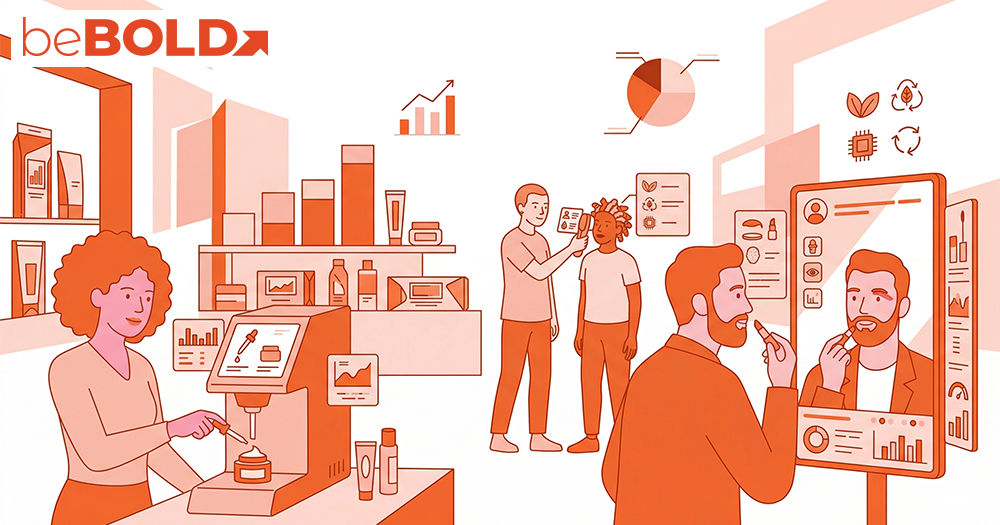
Example Image
Why Digital Presence Matters
A company’s website acts as its digital headquarters. It represents the brand 24/7 and often becomes the first impression for potential clients or customers.
Key benefits of a strong digital presence include:
- Increased brand visibility
- Better customer engagement
- Higher conversion rates
- Improved credibility
- Long-term scalability
- Stronger SEO performance
“Design is not just what it looks like and feels like. Design is how it works.” - Steve Jobs
Chapter 1 - The Evolution of Web Design
From Static to Dynamic
The early web was dominated by simple HTML pages with minimal styling and almost no interactivity. Over time, user expectations changed dramatically. Today, users expect websites to be:
- Fast
- Responsive
- Interactive
- Accessible
- Personalized
Timeline of Web Evolution
| Era | Characteristics | Technologies |
|---|---|---|
| 1990s | Static pages | HTML |
| Early 2000s | Styled layouts | CSS |
| 2010s | Interactive experiences | JavaScript |
| 2020s | Intelligent systems | AI + Automation |
Core Principles of Modern Design
Modern websites focus on three essential pillars:
1. User Experience (UX)
UX design ensures visitors can achieve goals quickly and efficiently.
2. User Interface (UI)
UI focuses on visuals, interactions, typography, spacing, and consistency.
3. Performance
Even beautiful websites fail if they load slowly.
Example Code Block
<section class="hero">
  <h2>Welcome to the Future</h2>
  <p>Modern experiences for modern businesses.</p>
  <a href="#" class="btn-primary">Get Started</a>
</section>
Chapter 2 - Content Strategy in the Digital Era
The Importance of Valuable Content
Content has become the foundation of digital marketing. Businesses use content to:
- Build trust
- Improve SEO
- Educate customers
- Generate leads
- Increase authority
Types of Content
Blog Articles
Long-form articles improve search visibility and provide educational value.
Video Content
Short-form and long-form videos drive engagement across platforms.
Podcasts
Audio content allows brands to connect with audiences in a more personal format.
Interactive Tools
Calculators, quizzes, and configurators increase user engagement.
A Sample Ordered Workflow
- Research target audience
- Define content goals
- Create a content calendar
- Publish consistently
- Analyze performance
- Optimize and improve
Sample Unordered Checklist
- Responsive design
- Mobile optimization
- SEO best practices
- Accessibility compliance
- Performance optimization
- Analytics integration
Chapter 3 - SEO and Search Visibility
Understanding Search Engines
Search engines analyze websites using bots and algorithms to determine relevance and authority.
Key Ranking Factors
| Factor | Importance |
|---|---|
| Content Quality | High |
| Page Speed | High |
| Mobile Friendliness | High |
| Backlinks | Medium |
| User Experience | High |
Technical SEO Essentials
Meta Titles
Meta titles help search engines understand page topics.
Meta Descriptions
Descriptions improve click-through rates from search results.
Structured Data
Schema markup helps search engines better interpret content.
Example JSON-LD Schema
{
  "@context": "https://schema.org",
  "@type": "Article",
  "headline": "The Future of Web Design",
  "author": {
    "@type": "Person",
    "name": "John Doe"
  }
}
Chapter 4 - Performance Optimization
Why Speed Matters
Users abandon websites quickly when pages take too long to load.
Common Performance Issues
- Large images
- Excessive JavaScript
- Render-blocking CSS
- Unoptimized fonts
- Poor hosting infrastructure
Best Practices
Image Optimization
Use modern formats such as WebP and AVIF.
Lazy Loading
Load content only when needed.
CDN Usage
Content Delivery Networks reduce latency globally.
“Speed is a feature.” - Modern Product Philosophy
Example CSS Optimization
img {
  max-width: 100%;
  height: auto;
  display: block;
}
Chapter 5 - Accessibility and Inclusive Design
Building for Everyone
Accessibility ensures that digital products can be used by people with disabilities.
Accessibility Principles
Perceivable
Content should be easy to see and understand.
Operable
Interfaces should support keyboard navigation.
Understandable
Content should be simple and predictable.
Robust
Websites should work across devices and assistive technologies.
Accessibility Checklist
| Requirement | Status |
|---|---|
| Alt Text | Required |
| Keyboard Navigation | Required |
| Color Contrast | Important |
| ARIA Labels | Recommended |
Example Accessible Button
<button aria-label="Open Menu">
  Menu
</button>
Chapter 6 - Branding and Identity
Creating Memorable Brands
Strong branding creates emotional connections with audiences.
Components of a Brand Identity
- Logo
- Typography
- Color palette
- Voice and tone
- Messaging
- Photography style
Typography Matters
Typography influences readability and emotional perception.
Common Font Categories
- Serif
- Sans-serif
- Display
- Monospace
Brand Voice Example
| Tone | Example |
|---|---|
| Professional | “We deliver scalable solutions.” |
| Friendly | “Let’s build something amazing together.” |
| Luxury | “Crafted with precision and elegance.” |
Chapter 7 - The Rise of Artificial Intelligence
AI in Modern Business
Artificial intelligence is transforming how businesses operate online.
Common AI Applications
- Chatbots
- Recommendation engines
- Predictive analytics
- Content generation
- Personalization systems
Benefits of AI
Faster Decision Making
AI can analyze large datasets rapidly.
Improved Customer Experience
Personalization increases engagement and satisfaction.
Automation
Repetitive tasks can be streamlined efficiently.
Sample AI Workflow
async function generateResponse(prompt) {
  const response = await fetch("/api/ai", {
    method: "POST",
    body: JSON.stringify({ prompt })
  });

  return response.json();
}
Chapter 8 - Mobile-First Experiences
The Mobile Revolution
Most users now browse the internet primarily on mobile devices.
Mobile Optimization Strategies
- Responsive layouts
- Touch-friendly buttons
- Fast-loading assets
- Optimized typography
- Reduced clutter
Example Media Query
@media (max-width: 768px) {
  .container {
    padding: 20px;
  }
}
Responsive Design Principles
| Principle | Description |
|---|---|
| Fluid Grids | Flexible layouts |
| Flexible Images | Scale with screens |
| Media Queries | Device-specific styling |
Chapter 9 - Digital Marketing Strategies
Omnichannel Marketing
Modern marketing requires consistency across multiple channels.
Important Channels
- Search engines
- Social media
- Email marketing
- Paid advertising
- Influencer partnerships
Email Marketing Essentials
Effective Subject Lines
Short and compelling subject lines improve open rates.
Personalization
Users respond better to relevant messaging.
Example Email Structure
Subject: Welcome to Our Community

Hello Sarah,

Thank you for joining us.
We’re excited to help you grow your business.

Best,
The Team
Chapter 10 - Analytics and Data
Measuring Success
Data-driven decisions improve business outcomes.
Common Metrics
| Metric | Purpose |
|---|---|
| Bounce Rate | Engagement quality |
| Conversion Rate | Sales effectiveness |
| Session Duration | Content quality |
| Traffic Sources | Marketing insights |
Popular Analytics Tools
- Google Analytics
- Hotjar
- Mixpanel
- HubSpot Analytics
Example Event Tracking
button.addEventListener("click", () => {
  analytics.track("CTA Clicked");
});
Chapter 11 - Security and Trust
Website Security Matters
Users expect secure browsing experiences.
Essential Security Practices
- HTTPS encryption
- Secure passwords
- Regular updates
- Firewall protection
- Two-factor authentication
Common Threats
Phishing
Fraudulent attempts to steal information.
Malware
Malicious software that compromises systems.
SQL Injection
Attacks targeting databases.
“Cybersecurity is much more than a matter of IT.” - Stephane Nappo
Chapter 12 - Future Trends
The Next Generation of Web Experiences
Technology continues evolving rapidly.
Emerging Trends
- Voice interfaces
- Augmented reality
- AI-generated content
- Immersive storytelling
- No-code platforms
Web3 and Decentralization
Decentralized technologies may reshape ownership and privacy online.
Potential Benefits
- Increased transparency
- Greater user ownership
- Reduced centralization
Chapter 13 - Building High-Performing Teams
Collaboration Drives Success
Behind every successful digital experience is a strong team.
Key Roles
| Role | Responsibility |
|---|---|
| Designer | Visual experiences |
| Developer | Technical implementation |
| Strategist | Business direction |
| Copywriter | Messaging |
| SEO Specialist | Search visibility |
Team Communication
Clear communication improves efficiency and outcomes.
Communication Tools
- Slack
- Notion
- Asana
- Jira
- Figma
Chapter 14 - Storytelling in Marketing
Emotional Connection
People remember stories more than facts.
Storytelling Framework
- Problem
- Conflict
- Solution
- Transformation
Example Narrative
Imagine a small startup struggling to gain traction online. Their website loads slowly, messaging is unclear, and conversions remain low. After redesigning their digital experience with clear branding, optimized performance, and compelling storytelling, the company experiences significant growth in traffic and customer engagement.
That transformation demonstrates the power of strategic digital thinking.
Chapter 15 - The Importance of Consistency
Consistency Builds Trust
Consistent experiences make brands appear more professional and reliable.
Areas of Consistency
- Visual identity
- Tone of voice
- Navigation
- Button styles
- Messaging
Design System Example
:root {
  --primary-color: #111827;
  --secondary-color: #2563eb;
  --radius: 12px;
}
Chapter 16 - Long-Form Educational Content
Why Long-Form Content Performs Well
Comprehensive articles often rank better because they provide more value.
Benefits
- Better SEO performance
- Higher authority
- Longer session duration
- Increased backlinks
Best Practices
Use Clear Headings
Headings improve readability and structure.
Break Up Content
Use spacing, images, and lists to avoid overwhelming readers.
Add Visual Elements
Charts, screenshots, and illustrations improve understanding.
Chapter 17 - Conversion Optimization
Turning Visitors Into Customers
Traffic alone is not enough. Businesses need conversions.
Common Conversion Goals
- Form submissions
- Purchases
- Newsletter signups
- Demo requests
Conversion Optimization Techniques
| Technique | Benefit |
|---|---|
| Clear CTAs | Better engagement |
| Social Proof | Increased trust |
| Faster Pages | Lower abandonment |
| Better Copywriting | Higher clarity |
Example CTA Section
<section class="cta">
  <h4>Ready to Grow?</h4>
  <p>Start building better digital experiences today.</p>
  <a href="#">Schedule a Consultation</a>
</section>
Chapter 18 - Building Sustainable Growth
Long-Term Thinking
Sustainable businesses focus on long-term value rather than short-term hacks.
Sustainable Strategies
- High-quality content
- Ethical marketing
- Customer education
- Strong relationships
- Continuous improvement
Customer Retention
Acquiring customers is expensive. Retaining them is often more profitable.
Retention Strategies
- Excellent support
- Educational content
- Community building
- Loyalty programs
Conclusion
The future of digital experiences will continue evolving as technology advances and user expectations grow. Businesses that invest in thoughtful design, strategic content, performance optimization, accessibility, and innovation will position themselves for long-term success.
Digital transformation is no longer optional. It is an essential part of building modern brands that thrive in competitive markets.
Whether creating websites, applications, marketing campaigns, or entire ecosystems, the goal remains the same: deliver meaningful experiences that solve real problems and create lasting impact.
Final Checklist for Modern Digital Success
- Strong branding
- Responsive design
- SEO optimization
- Fast performance
- Accessible experiences
- Strategic content
- Clear calls to action
- Analytics integration
- Security best practices
- Continuous iteration
Bonus Section - Extra Rich Text Elements
Horizontal Rule
Inline Code
Use the display: flex; property for flexible layouts.
Nested Lists
- Frontend Development
- HTML
- CSS
- JavaScript
- Backend Development
- APIs
- Databases
- Authentication
Sample Table
| Feature | Included | Notes |
|---|---|---|
| CMS Integration | Yes | Fully customizable |
| SEO Setup | Yes | Optimized structure |
| Analytics | Yes | Event tracking enabled |
| Accessibility | Yes | WCAG friendly |
Another Blockquote
“People ignore design that ignores people.” - Frank Chimero
Final Thoughts
Thank you for reading this extensive demo article. This content intentionally includes a wide variety of rich text elements including:
- h2 to H4 headings
- Paragraphs
- Tables
- Blockquotes
- Ordered lists
- Unordered lists
- Code blocks
- Inline code
- Horizontal rules
- Nested content structures
You can now use this article to thoroughly test typography, spacing, responsiveness, CMS rendering behavior, and custom styling within your rich text editor.







Comments