

Unauthorized sellers on Amazon are one of the most damaging challenges brands face as they scale, driving Buy Box loss, price erosion, counterfeit risk, and customer trust issues if left unchecked. This guide explains how to stop unauthorized sellers on Amazon through a proven step-by-step enforcement process and proactive prevention strategies.
Key Summary
- Unauthorized sellers often cause price erosion, Buy Box loss, and negative reviews 📉
- Amazon will not remove sellers simply for being “unauthorized”, enforceable violations are required ⚖️
- Brand Registry unlocks the most effective tools for removing unauthorized Amazon sellers 🔐
- Proactive controls like distribution policies and monitoring reduce repeat offenders 👀
- beBOLD Digital helps brands implement sustainable, scalable brand protection strategies 🚀

What Are Unauthorized Sellers and Why Do They Matter for Sellers?
An Amazon unauthorized seller is a third-party seller offering your branded products without approval or outside your official distribution channels, making them a key challenge in any Amazon brand protection strategy. These sellers may acquire inventory through gray-market sourcing, liquidation channels, retail arbitrage, a growing risk highlighted in how Amazon arbitrage impacts premium and prestige brands, or even diverted wholesale partners.
While resale itself is often legal under the first-sale doctrine, unauthorized sellers on Amazon become a serious problem when they:
- Undercut pricing and destabilize the Buy Box
- Sell outdated, damaged, or incomplete products
- Create customer confusion through poor fulfillment or inaccurate listings
- Increase counterfeit risk and negative reviews

According to industry studies, pricing instability caused by unauthorized sellers is one of the top three reasons brands lose Buy Box ownership, even when inventory and ad performance are strong.
beBOLD Digital Expert Tip: Unauthorized sellers are rarely an isolated issue. They're often a signal of deeper supply chain leakage or missing brand controls. Audit your last 3 to 6 months of wholesale, distributor, and promo inventory, then compare it against new seller appearances on your listings to identify where unauthorized inventory is likely entering the marketplace.
What Is the Step-by-Step Process to Stop Unauthorized Sellers?

Successfully removing unauthorized Amazon sellers requires structure, documentation, and patience. The process below reflects what Amazon actually enforces, and what works in practice.
Step 1: Identify Unauthorized Sellers on Your Listings
Start by reviewing the “Other Sellers on Amazon” section on your product detail pages. Red flags include:
- Seller names you don’t recognize
- Sudden price drops or Buy Box rotation changes
- Sellers shipping from unexpected regions
Advanced sellers use monitoring tools to track seller changes and price movement over time, allowing faster intervention before damage escalates.
Step 2: Contact the Seller Directly (Cease and Desist)
Before escalating to Amazon, many brands start by contacting the seller directly through Seller Central messaging.
A professional cease-and-desist message should:
- Clearly state brand ownership
- Explain that the seller is not authorized
- Reference applicable IP or policy violations
- Request removal by a specific deadline
This step is often effective for gray-market sellers who prefer to avoid account risk.
beBOLD Digital Expert Tip: Avoid emotional language or threats. Amazon may review these messages later as part of an enforcement trail.
Step 3: Gather Evidence for Amazon Enforcement
Amazon only acts when sellers violate enforceable policies. Before submitting a report, identify at least one clear violation.
Identify enforceable violations, such as:
- Trademark misuse (logo or brand name in images or bullets)
- Copyright infringement (copied images, A+ Content, manuals)
- Counterfeit claims (only with verifiable proof)
- Product condition issues (used or altered items sold as new)
- Incorrect bundle or variation listings
- Safety or regulatory compliance violations
Documentation may include screenshots, trademark registrations, order IDs from test buys, or side-by-side listing comparisons.
Step 4: Use Amazon’s Brand Registry Tools

Source: eCommerce Intelligence
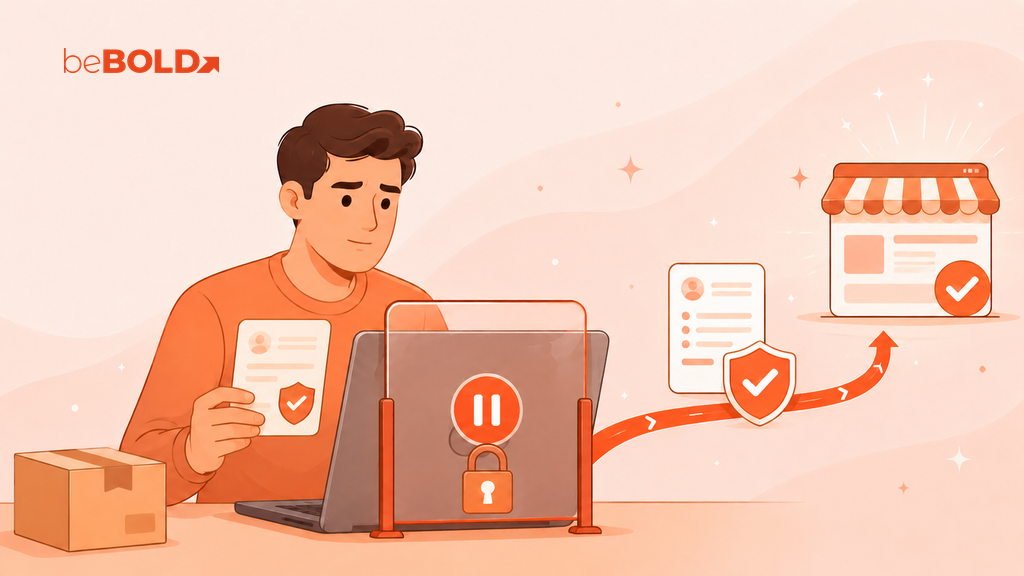
If you are enrolled in Amazon Brand Registry, enforcement becomes significantly more effective.
Key tools include:
- Report a Violation (RAV)
- Automated trademark protections
- Access to advanced programs like Amazon Transparency and Project Zero
According to Amazon, brands enrolled in Brand Registry report significantly faster resolution times compared to non-registered sellers.
If unauthorized sellers continue to appear on your listings, Using Amazon Transparency to Block Resellers explains how serialized product codes can help restrict resale.
Step 5: Report Without Brand Registry (If Applicable)

Source: Amazon
Brands without Brand Registry can still report violations using Amazon’s public IP infringement forms. In these cases, sellers must manually submit brand ownership details, identify the specific ASIN and violation type, and upload supporting documentation for each claim. Non-registered reports typically:
- Require more detailed form completion and supporting evidence
- Take longer to process due to manual review by Amazon’s IP team
- Offer limited case visibility and fewer escalation options
However, this approach is best treated as a temporary solution until Brand Registry enrollment is completed.
Step 6: Escalate or Follow Up as Needed
If reports are rejected or sellers reappear:
- Submit follow-up cases with additional evidence
- Reference prior case IDs
- Escalate through Seller Support or Brand Registry channels
Persistent enforcement, not one-time reporting, is what ultimately deters repeat offenders.

Proactive Brand Protection: How to Prevent Unauthorized Sellers
Removing unauthorized sellers is only half the battle. Long-term success depends on prevention.
Enroll in Amazon Brand Registry + Advanced Programs
Brand Registry is the foundation of Amazon brand protection. Advanced programs like Amazon Transparency and Project Zero add unit-level authentication and automated takedowns, but Transparency should not be used primarily to prevent unauthorized or unwanted resellers. Additional controls such as Amazon brand gating can further restrict who is allowed to sell under your brand.
Strengthen Distribution and Reseller Agreements
Strong agreements should clearly define:
- Where products may be sold
- Marketplace restrictions
- MAP compliance requirements
These policies become critical evidence during enforcement.
Monitor Listings and Market Activity
Ongoing monitoring helps detect violations early, before Buy Box control or brand trust is lost.
Public Communication and Warranty Controls
Many brands clearly state that warranties only apply to purchases from authorized sellers, discouraging risky third-party purchases.
beBOLD Digital Expert Tip: Prevention systems reduce enforcement costs dramatically over time. Set up a recurring (weekly or biweekly) audit of your Buy Box sellers and pricing changes, then log new seller appearances so you can address potential unauthorized sellers before they gain traction.
What Common Mistakes Should Sellers Avoid?

Even experienced sellers make preventable mistakes when dealing with unauthorized sellers on Amazon. These missteps often slow down enforcement, lead to rejected cases, or allow repeat offenders to continue resurfacing.
Skipping Cease-and-Desist Before Escalation
Many brands rush straight to Amazon without first contacting the seller, which can weaken their enforcement trail. A well-documented cease-and-desist shows Amazon that you attempted resolution in good faith and helps establish a pattern of non-compliance if the seller ignores it.
Effective letters should:
- Cite specific IP or policy violations so the seller understands the legal basis of your claim
- Avoid false claims or aggressive legal threats that could backfire or be flagged by Amazon
- Include order evidence if applicable to support counterfeit or condition-related claims
- Provide a clear compliance deadline to demonstrate reasonable enforcement expectations
Here’s How beBOLD Digital Helped a Brand Optimize Its Unauthorized Seller Reporting Process:
A personal care brand attempted to remove multiple unauthorized sellers by filing Brand Registry cases immediately, without prior seller outreach. Amazon repeatedly rejected the reports due to limited enforcement history. After partnering with beBOLD Digital, the brand implemented structured cease-and-desist messaging, documented seller responses, and resubmitted cases with a clear enforcement trail, resulting in successful removals and fewer repeat violations.
Filing Incomplete or Unsupported Reports
Amazon routinely rejects reports that lack enforceable violations, screenshots, order IDs, or trademark documentation. Incomplete submissions not only delay removal but can also reduce trust in future reports tied to your brand.
Here’s How beBOLD Digital Helped a Supplement Brand Push Enforcement Through Better Compliance:
A supplement brand submitted multiple counterfeit claims without test-buy evidence or product condition proof, causing Amazon to deny enforcement. beBOLD Digital stepped in to design a compliant evidence-gathering process, including targeted test buys and side-by-side documentation, which strengthened future reports and led to consistent takedowns.
Assuming Amazon Will Automatically Police It
Amazon does not proactively monitor or remove unauthorized sellers on behalf of brands. Enforcement is largely reactive, meaning brands must consistently identify violations, submit reports, and follow up to see results.
Ignoring Supply Chain Leakage
When unauthorized sellers repeatedly reappear, the issue is rarely Amazon enforcement alone. In many cases, inventory is leaking through distributors, retail partners, or liquidation channels, making it essential to address upstream controls alongside marketplace takedowns.
What Are the Legal and Escalation Options When Necessary?
For persistent offenders, brands may pursue:
- Formal cease-and-desist letters from legal counsel: A legally drafted notice formally asserts your IP rights, documents prior enforcement attempts, and often prompts faster compliance due to increased legal risk.
- Trademark enforcement actions: When sellers misuse your registered trademark, formal trademark complaints or infringement actions strengthen Amazon takedowns and can escalate beyond the platform if needed.
- Marketplace injunctions in severe cases: For repeat or high-volume violators, court-ordered injunctions can legally prohibit continued sales across Amazon and other marketplaces.
Legal escalation is typically a last resort, but it can be highly effective when combined with Amazon enforcement and documented violation history.
How beBOLD Digital Can Help
When unauthorized sellers start appearing on your Amazon listings, reacting case by case is rarely enough. beBOLD Digital is a leading Amazon agency that helps brands take back control by building structured, enforceable systems to identify, remove, and prevent unauthorized sellers at scale, uncovering supply chain leakage, enforcing Brand Registry-led protection strategies, and implementing ongoing monitoring and escalation workflows to reduce Buy Box loss, pricing erosion, and brand risk.
Schedule a call with us today and let us help you craft long-term brand protection and seller control.
FAQ
What is an unauthorized seller on Amazon?
A third-party seller offering your branded products without approval or outside your authorized distribution network.
How do unauthorized sellers get access to my products?
Through gray markets, retail arbitrage, liquidation channels, or diverted wholesale inventory.
Can Amazon remove unauthorized sellers for me?
Only when enforceable policy or IP violations are proven.
Do I need Amazon Brand Registry to stop unauthorized sellers?
No, but Brand Registry significantly improves speed, success, and control.
Do I need to buy from the unauthorized seller before reporting them?
Test buys are not always required, but they strengthen counterfeit and condition claims.
How Do I Identify Unauthorized Sellers on Amazon?
By monitoring the “Other Sellers” section, Buy Box changes, and seller activity trends.
How Do Unauthorized Sellers Affect Business on Amazon?
They drive price erosion, Buy Box instability, negative reviews, and brand dilution.
What if Unauthorized Sellers Persistently Reappear on My Listings?
When unauthorized sellers persistently reappear, it often signals deeper supply chain leakage or gaps in preventive controls.
In cases where these sellers cause significant brand, pricing, or customer trust damage, brands may also consider legal action, especially after repeated Amazon enforcement attempts. Consulting with an attorney experienced in e-commerce and intellectual property law can help determine whether cease-and-desist escalation, trademark enforcement, or other legal remedies are appropriate alongside ongoing marketplace controls.





Comments