


Key Summary
- 📦 Amazon fulfillment centers are high-tech warehouses where products are stored, packed, and shipped for sellers worldwide.
- 🚀 The centers use AI, robotics, and automation to move products efficiently through each stage of order fulfillment.
- 🔢 Over 400 Amazon fulfillment centers operate globally, including more than 200 in the U.S.
- 🛍️ Sellers using Fulfillment by Amazon (FBA) can access Prime shipping, boosting visibility and customer trust.
- 📈 Understanding how Amazon distribution works can help sellers cut costs, manage inventory, and scale faster.
- 💎 Working with an expert agency like beBOLD Digital helps optimize listings, reduce fees, and increase profitability.
Every time a customer clicks "Buy Now" on Amazon, an incredibly sophisticated logistics operation springs into action. Behind the scenes, thousands of robots, AI systems, and warehouse workers coordinate to ensure products arrive at doorsteps, often within 24 to 48 hours.

Source: Adobe Stock
This system is powered by Amazon's Fulfillment Centers (FCs). For sellers using Fulfillment by Amazon (FBA), understanding how these centers work is crucial to managing costs, ensuring fast delivery, and maintaining healthy profit margins.
What Does an Amazon Fulfillment Center Do?
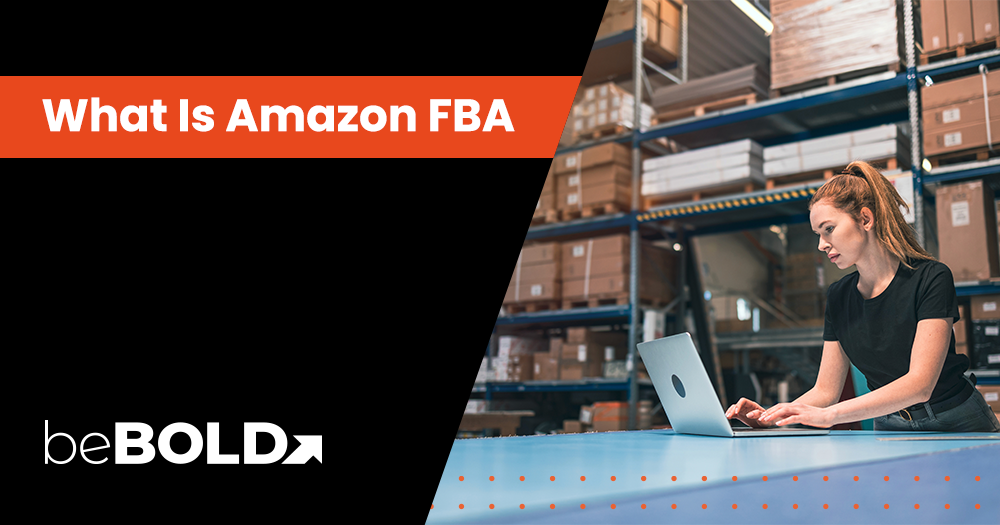
An Amazon fulfillment center is a massive, tech-driven warehouse where Amazon stores, picks, packs, and ships products on behalf of sellers using FBA. These facilities are the backbone of Amazon’s global distribution network, enabling Prime members to receive fast and reliable shipping.
Fulfillment centers handle every step of the order process: from receiving products from sellers to packaging and shipping them to customers. They also manage returns, refunds, and even customer service inquiries. Amazon’s network includes multiple types of fulfillment centers: sortable, non-sortable, specialty, and same-day delivery hubs. Together, they form a powerful logistics system that ensures Amazon can process millions of orders daily.
How Do Amazon Fulfillment Centers Work?
Understanding how Amazon distribution centers work starts with knowing what happens inside these fulfillment centers. Every package goes through a seamless process designed for speed and accuracy.
1. Inventory Arrival and Check-In
Once sellers create a shipment plan in Amazon Seller Central, products are sent to assigned fulfillment centers. Upon arrival, items are scanned, verified, and sorted using barcodes like FNSKUs or ASINs. Advanced robots help move inventory to the right storage area while associates check for damage or labeling errors.
2. Storage and Tracking
Amazon uses a system called chaotic storage, meaning products aren’t grouped by type or category. Instead, items are placed wherever space is available. The location is then logged in Amazon’s database so robots and workers can instantly find it later. This approach, supported by AI algorithms, maximizes efficiency and storage space.
3. Order Processing

Source: Adobe Stock
When a customer places an order, Amazon’s system identifies the nearest fulfillment center with that item in stock. Robots and workers retrieve the product from its shelf, scan it, and bring it to a packing station. Every step is tracked in real-time to ensure accuracy.
4. Packaging and Shipping
At the packing station, Amazon uses its patented SLAM system (Scan, Label, Apply, Manifest) to choose the correct box size, tape, and label. Packages are then sorted based on delivery speed and destination before being handed off to Amazon Logistics, USPS, UPS, or FedEx. Prime members typically receive their orders within one to two days.
5. Customer Returns and Restocking
If a customer returns an item, it is sent back to a fulfillment center for inspection. Depending on its condition, Amazon may restock, refurbish, or dispose of it. This hands-off process allows sellers to focus on growing their business instead of managing returns.
How Can You Send Products to an Amazon Fulfillment Center?
For new FBA sellers, understanding the fulfillment process is essential to avoid shipping delays and penalties.
- Create a Shipping Plan – Log into Seller Central and indicate which products you’re sending and in what quantities.
- Label and Prepare Inventory – Follow Amazon’s prep guidelines for packaging, labeling, and safety. Each unit must have a scannable barcode (FNSKU).
- Ship to Assigned Centers – Once approved, print your shipping labels and send products to the designated Amazon fulfillment centers. Products must arrive within two weeks of label approval.
By following these steps correctly, your products become eligible for Prime shipping, giving you a competitive edge in the marketplace.
As you explore how products move through Amazon’s logistics network, Amazon SIPP explains the packaging and labeling requirements that support efficient fulfillment.

How Do Amazon Fulfillment Centers Differ from Other Facilities?
Amazon’s logistics network includes several types of facilities, each playing a unique role in its global supply chain. Understanding the distinctions between them helps sellers appreciate how Amazon delivers products so quickly and efficiently.
Distribution Centers
Distribution centers are Amazon’s high-volume transit hubs that focus on moving inventory across the network rather than fulfilling customer orders. These facilities receive large shipments directly from manufacturers or suppliers, where products are sorted, repackaged, and redistributed to regional fulfillment centers based on demand forecasting. They serve as the bridge between inbound logistics (suppliers) and outbound fulfillment (customers).
In 2025, Amazon operates dozens of regional distribution centers strategically located near ports, rail lines, and highways to reduce delivery times and transportation costs.
Warehouses
Traditional warehouses are primarily designed for long-term storage. They store goods in bulk until needed but don’t actively process customer orders. Many brands or third-party logistics providers use warehouses to maintain overflow inventory or raw materials.
In contrast, Amazon fulfillment centers operate on a real-time, high-turnover model. Products arrive, are scanned, stored temporarily, and shipped out rapidly once ordered. This constant motion keeps inventory fresh, minimizes storage fees, and enables the fast delivery expectations that customers associate with Prime.
Specialized Facilities
Beyond distribution centers and warehouses, Amazon also runs a network of specialized facilities, including sortation centers, delivery stations, receive centers, and same-day sites.
Sortation centers group packages by delivery region, while delivery stations handle the final mile of logistics, preparing packages for doorstep delivery. These facilities, working alongside fulfillment centers, form the backbone of Amazon’s regionalized logistics system.
Are There Amazon Fulfillment Center Fees?
When using FBA, sellers pay several fees that cover storage, handling, and shipping costs. Understanding these charges helps sellers price their products effectively.
|
Fee Type |
Description & Purpose |
Typical Cost / Rate (2025 Data) |
Tips to Reduce / Manage |
|
1. Referral Fees |
A commission charged on every product sold. It's deducted automatically from each sale. |
8% to 15% of the sale price (varies by product category). |
Crucial to factor into your initial product pricing structure. |
|
2. Fulfillment Fees |
Per-unit costs covering picking, packing, and shipping. Higher for oversized items. |
$3.22 to $6.92 for standard-size items. |
Optimize packaging dimensions and use lighter materials. |
|
3. Storage Fees |
Monthly fees based on the space used (in cubic feet) in the fulfillment center. |
$0.78 to $2.66 per cubic foot. Higher during the Q4 holiday period (Oct-Dec). |
Monitor inventory via the IPI (Inventory Performance Index) to avoid overstocking. |
|
4. Long-Term Storage Fees |
Added charges for items that remain unsold for more than 365 days (a full year). |
Rates are applied to aging stock and can quickly erode profit margins. |
Rotate inventory frequently, run promotions, or use removal/liquidation options. |
|
5. Return Processing Fees |
Fees in certain categories (like apparel/shoes) when customers send items back. |
Varies—covers inspection, restocking, and repackaging costs. |
Monitor return trends to identify product issues or improve listing details to reduce return rates. |
Ultimately, managing these expenses wisely, through accurate forecasting, price optimization, and regular performance tracking, ensures better profit margins and helps sellers stay competitive in Amazon’s marketplace.
Packaging choices can also affect how efficiently products move through Amazon fulfillment centers, especially when comparing standard packaging with Ships in Product Packaging/SIPP
Why Amazon Fulfillment Centers Matter
Amazon fulfillment centers are more than just warehouses. They’re the engine behind global eCommerce. These centers allow small and medium-sized sellers to access the same advanced logistics network used by major brands.
By outsourcing fulfillment to Amazon, sellers gain:
- Prime eligibility, which boosts visibility and conversion rates.
- Hands-off logistics, freeing time to focus on marketing and product development.
- Scalability, with infrastructure that grows alongside your business.
- Global reach, enabling cross-border sales without extra infrastructure.
In short, fulfillment centers empower entrepreneurs to compete at scale without needing their own warehouses or staff.
While understanding Amazon’s warehouse network, Amazon FBA Storage Fees outlines how storage within these facilities is calculated and billed.
BeBold Digital Experience: How Fulfillment Centers Drive Growth
Consider one of beBOLD Digital’s clients, a mid-sized beauty brand struggling with delayed orders and rising storage costs while self-fulfilling products. After partnering with beBOLD Digital, the brand transitioned to Amazon FBA and began utilizing fulfillment centers across the U.S. Within three months, order delivery times dropped from five days to under two, earning the brand Prime eligibility and a 35% boost in conversion rates.
beBOLD Digital optimized their inventory strategy, ensuring the right quantities were distributed to Amazon’s nearest fulfillment centers to meet regional demand. The client also saved thousands in logistics expenses through better fee management and improved IPI scores. As a result, the brand not only achieved faster deliveries but also scaled its operations internationally using Amazon’s global network.
How Can beBOLD Digital Help New FBA Sellers?
Navigating Amazon’s fulfillment network can be overwhelming, especially for growing brands. That’s where beBOLD Digital comes in. As a full-service Amazon and Walmart agency, we help sellers optimize their FBA strategy, manage listings, and improve profitability through:
- Listing optimization and keyword research
- Amazon PPC and DSP advertising
- FBA inventory and fee management
- Product sourcing and A+ content creation
Our team understands what it takes to scale your brand within Amazon’s competitive landscape. Whether you’re a beauty brand, pet product seller, or expanding into new markets, we ensure your operations run as efficiently as Amazon’s own fulfillment centers. Ready to take your Amazon business to the next level? Partner with beBOLD Digital to streamline operations, and maximize your brand’s visibility across Amazon’s vast ecosystem.
Frequently Asked Questions
What is the difference between an Amazon warehouse and a fulfillment center?
A warehouse is used mainly for long-term storage or bulk inventory, while Amazon fulfillment centers handle the entire customer order process, such as receiving, storing, picking, packing, shipping, and processing returns. Amazon does operate other facility types too, like sortation and delivery stations.
Is working at an Amazon fulfillment center hard?
It can be physically demanding due to long hours of standing, lifting, and meeting productivity targets, but Amazon provides ergonomic support and training.
What’s the easiest job at an Amazon warehouse?
Roles like packing or labeling are generally less physically intensive than stowing or picking, which involve more movement and lifting.
What is top pay at an Amazon fulfillment center?
In 2025, fulfillment associates can earn up to $25 to $30 per hour, with higher pay for overnight or specialized roles.
Can you visit an Amazon fulfillment center?
Most facilities are not open to the public, but Amazon continues to offer virtual tours and limited in-person tours through its Amazon Fulfillment Tour program. These are typically available for students, educators, and the general public in select locations.





Comments