

The Amazon commingling program ending marks one of the most meaningful fulfillment changes for third‑party sellers in years, especially for brands evaluating long‑term fulfillment strategies like Amazon FBA vs. FBM. For over a decade, Amazon commingling shaped how inventory was stored, fulfilled, and tracked across FBA. Now, with commingled inventory officially being phased out by March 31, 2026, brands and resellers must adapt their operations, labeling, and inventory strategy.
Story at a Glance
- Amazon commingling allowed identical products from multiple sellers to be pooled and fulfilled interchangeably, prioritizing speed over seller-level traceability.
- Over time, commingled inventory increased counterfeit risk, quality issues, and account health exposure for compliant brands.
- After years of seller backlash and regulatory pressure, Amazon confirmed the Amazon commingling program ending by March 31, 2026.
- Post-commingling, inventory will be tracked at the seller level with stricter barcode, prep, and accountability requirements.
- Brand owners and resellers will experience different operational impacts, making early preparation critical to avoid fulfillment disruptions.

What Is the Amazon Commingling Program?
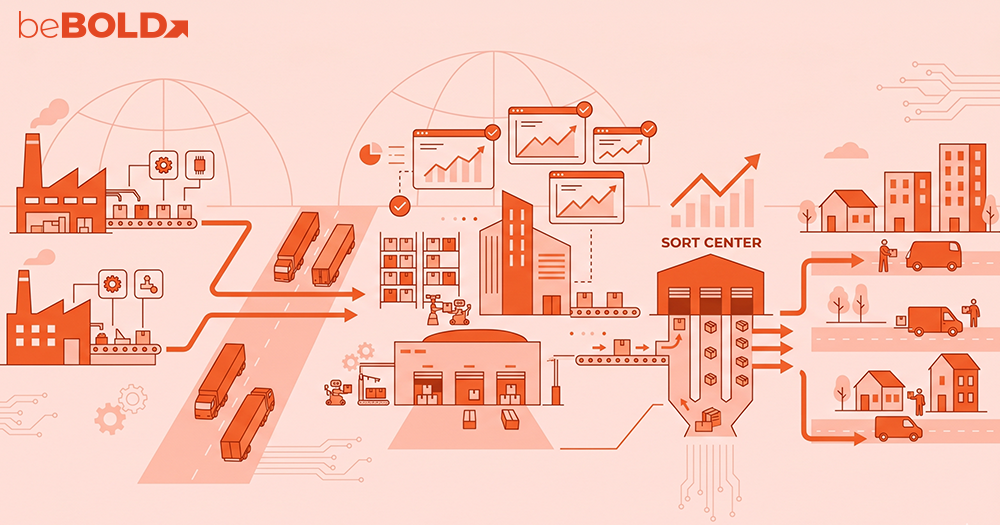
The Amazon commingling program (also known as stickerless inventory or virtual tracking) allowed Amazon to pool identical ASINs from different sellers within its fulfillment centers as part of the broader Amazon FBA model. Rather than shipping the exact unit a seller sent in, Amazon fulfilled orders using any available unit of that ASIN in its network.
In practice, this meant:
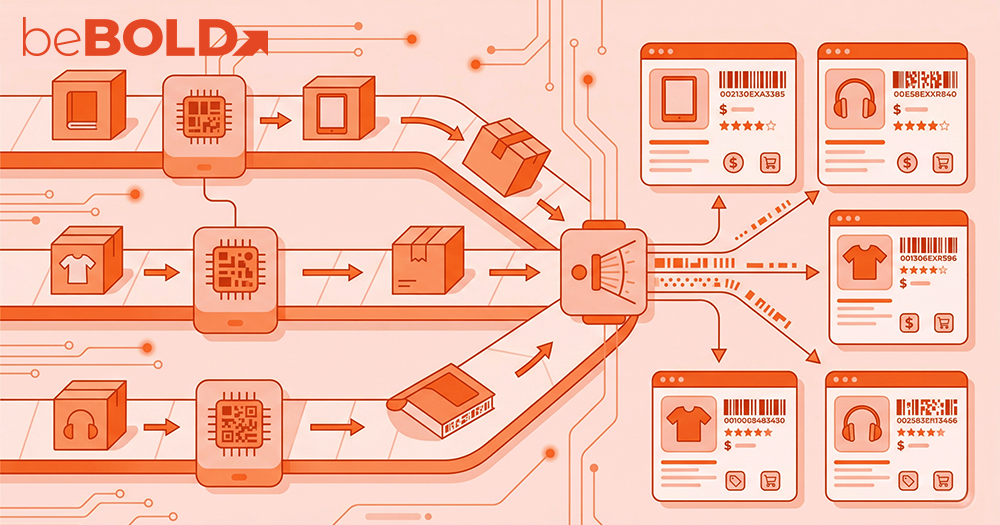
- Inventory was tracked by ASIN, not seller
- Sellers could ship products using manufacturer barcodes instead of Amazon FNSKUs
- Amazon optimized fulfillment speed by shipping the closest available unit
While this improved logistics efficiency, it introduced serious risks for brands, especially in categories like beauty, supplements, medical, and pet.
Timeline for the Amazon Commingling Program Ending

Amazon has confirmed a phased shutdown of commingled inventory, culminating in a full end by March 31, 2026, which will directly affect how products move through each Amazon fulfillment center.
|
Date |
Update |
|
2024–2025 |
Amazon announces intent to phase out commingled inventory and updates Seller Central guidance |
|
January 1, 2026 |
Amazon removes optional FBA prep and labeling services |
|
March 31, 2026 |
Amazon commingling program officially ends |
This timeline mirrors Amazon’s broader push toward tighter inventory control and seller accountability.

Problems and Criticisms of Commingling

As Amazon scaled, the drawbacks of commingled inventory became increasingly visible.
Counterfeit and Quality Issues
One of the most cited problems was counterfeit and quality contamination. When multiple sellers shared inventory pools, a single bad actor could introduce:
- Counterfeit products
- Expired or damaged units
- Non‑compliant packaging
Customers receiving these units often blamed the brand or listing owner, not the original seller who shipped the faulty product. According to Modern Retail, brands spent an estimated $600 million annually re‑labeling inventory just to avoid commingling risks.
Lack of Traceability and Seller Accountability
Because inventory was pooled, Amazon struggled to:
- Identify which seller supplied a defective unit
- Assign responsibility for customer complaints
- Resolve authenticity disputes efficiently
This lack of traceability weakened marketplace trust and increased account‑level risk for compliant sellers.
Costly Workarounds for Brands
To avoid commingling, many brands opted into FNSKU labeling, absorbing extra costs for:
- Label printing and application
- Prep center services
- Operational complexity
These workarounds were necessary but inefficient, and highlighted structural flaws in the commingling system.
Why Amazon Is Ending the Commingling Program

Amazon’s decision reflects both operational evolution and marketplace pressure.
Declining Need Due to Logistics Improvements
Amazon has invested billions in regionalized fulfillment. With inventory now stored closer to end customers, Amazon can maintain fast delivery speeds without pooling inventory across sellers.
Brand Protection and Marketplace Trust
Ending commingling reduces counterfeit risk and improves inventory accountability. This aligns with Amazon’s broader initiatives around:
- Brand Registry expansion
- Transparency programs
- Stricter seller compliance
According to GeekWire, Amazon acknowledged years of backlash from brands who viewed commingling as a structural vulnerability.
Response to Seller and Regulatory Criticism
Increased regulatory scrutiny around counterfeit goods and consumer safety has also pressured Amazon to improve inventory traceability, especially in regulated categories.
How Amazon’s System Will Be Updated Post‑Commingling

Once commingling ends, Amazon’s fulfillment model will change in several key ways, making strong Amazon seller SKU best practices more important than ever:
- Separate inventory tracking: Each unit will be tied to the seller who shipped it
- Barcode rules and requirements:
- Brand‑registered sellers may use manufacturer barcodes
- Resellers must use Amazon FNSKU labels
- Existing inventory: Amazon will gradually deplete or reassign commingled stock before the cutoff date
These updates shift more responsibility, and control, back to sellers.
How This Impacts Sellers (Brand Owners vs. Resellers)
The end of Amazon commingling does not affect all sellers equally. How disruptive this change is depends largely on whether you control the brand and ASINs, or operate as a reseller sourcing from third parties.
Brand Owners
- Greater control over inventory and quality
- Reduced risk of counterfeit contamination
- Simplified labeling for eligible ASINs
Resellers
- Mandatory FNSKU labeling
- Increased prep and operational costs
- Greater accountability for inventory accuracy
This change favors brands with strong ASIN control while raising the bar for arbitrage and wholesale sellers.
How to Prepare for the End of the Commingling Program
At beBOLD Digital, we recommend sellers take a proactive, structured approach when preparing for the removal of commingled inventory. Based on what we see across brand and reseller accounts, the following steps help minimize disruption as the 2026 deadline approaches by strengthening Amazon inventory management strategies and taking action early:
- Update inventory and barcode settings in Seller Central
- Adjust fulfillment workflows to ensure all units arrive fully prepped and labeled
- Monitor inventory and performance closely during the transition period
beBOLD Digital Expert Tip: Brands should audit all ASINs now to identify which SKUs rely on manufacturer barcodes versus FNSKUs and plan SKU‑level transitions early. This audit should include mapping each SKU to its current barcode type, reviewing Brand Registry eligibility, and flagging ASINs that may require new SKUs if barcode settings change.
Starting this process well ahead of the deadline helps prevent stranded inventory, broken variations, disrupted advertising campaigns, and inbound shipment delays as Amazon enforces seller‑level inventory tracking.
How beBOLD Digital Can Help
At beBOLD Digital, we help brands navigate complex Amazon transitions with confidence. Our team supports sellers with:
- Inventory and fulfillment audits
- Barcode and SKU strategy
- Risk mitigation for account health
- End‑to‑end Amazon account management
If your brand is preparing for the Amazon commingling program ending, our experts can build a transition plan that protects margins and minimizes disruption. Schedule a call with us today and let us help you plan out this transition.
Frequently Asked Questions
What happens if I send commingled inventory after the deadline?
Amazon may reject the shipment or require relabeling at your expense.
Why is Amazon ending commingling?
To reduce counterfeit risk, improve traceability, and strengthen marketplace trust.
What happens to inventory already commingled in Amazon warehouses?
Amazon will gradually deplete or reassign inventory before the March 31, 2026 cutoff.
Do all sellers have to use Amazon barcode labels now?
No. Brand‑registered sellers may use manufacturer barcodes, while resellers must use FNSKUs.
How will order fulfillment change after commingling?
Orders will be fulfilled strictly from the seller’s own inventory, improving accountability and control.







Comments