


Key Summary
- ChatGPT is becoming a powerful product discovery and research channel, shaping how shoppers compare options before buying.
- Organic product recommendations and sponsored placements are separate forms of visibility. Buying an ad does not influence ChatGPT’s generated answers.
- Amazon remains the primary conversion engine, even when discovery starts with AI tools.
- Amazon’s AI assistant, Rufus, plays a key role in closing the sale inside the marketplace.
- Brands that align external content, Amazon SEO, and AI discovery signals gain an advantage across the full buyer journey.

Why ChatGPT Product Discovery Matters Now
ChatGPT has evolved beyond a conversational AI into a product discovery and shopping research tool that influences how buyers research, compare, and validate products before purchasing. Generative AI adoption is accelerating rapidly. According to McKinsey, over 65% of organizations now use generative AI regularly, signaling a major shift in how consumers interact with digital platforms and information.
As AI continues to reshape ecommerce, brands are increasingly exploring how AI can drive demand earlier in the funnel, similar to the strategies outlined in our guide on boosting sales with AI in ecommerce. From a visibility standpoint, how products appear on ChatGPT ultimately comes down to relevance.
In practice, ChatGPT product listings and ChatGPT product recommendations surface when the AI can clearly align:
- Buyer intent (what the shopper is trying to solve)
- Accurate and structured product information
- Trustworthy external signals that support product credibility
Together, these factors create a powerful awareness layer that shapes buyer perception well before shoppers reach an Amazon product detail page.
How ChatGPT Product Discovery Works (Simplified)
Before applying tactics, it’s important to understand how ChatGPT evaluates products and why this system differs from traditional search engines.
Conversational Discovery vs. Traditional Search

Traditional search often presents links and shopping results alongside paid placements. ChatGPT also supports conversational research, allowing shoppers to describe their needs and ask follow-up questions. Its generated answers can help users compare products, while separately labeled advertisements provide an additional form of visibility. Sellers can explore other applications in our overview of the best AI tools for Amazon sellers.
Instead of returning a list of links, ChatGPT synthesizes buyer-style guidance that may include:
- Product comparisons
- Pros and cons summaries
- Use-case explanations
- Shortlists of recommended products
This conversational approach reflects a broader trend in search behavior. Gartner predicts that by 2026, 25% of traditional search traffic will be replaced by AI-driven answers and virtual assistants, underscoring why conversational discovery is becoming central to product research.
What Determines Product Visibility in ChatGPT
Products are more likely to appear in ChatGPT product listings when three conditions are met:
- Accessible external product data – Clear descriptions, specifications, and structured information that AI systems can interpret.
- Clear buyer intent signals – Queries with defined needs, budgets, or use cases perform better than vague searches.
- Inference-ready content – Product content that clearly connects features to benefits and outcomes.
beBOLD Digital Expert Tip: Write product content so that an AI could confidently explain your product to a buyer. If the value proposition isn’t obvious, AI discovery will struggle to surface it.
Organic Recommendations and Sponsored Placements Are Different
A product mentioned in ChatGPT’s answer and a product shown in a sponsored placement represent different types of visibility. Organic recommendations are part of the generated response. Advertisements appear separately and are labeled as sponsored. OpenAI states that advertisers cannot shape, rank, or alter ChatGPT’s answers.
Amazon’s partnership with OpenAI introduces an additional route to paid visibility, with selected U.S. advertisers participating in a pilot. It does not establish unrestricted access to Amazon’s live catalog or guarantee organic product recommendations.
For sellers, the practical task is to prepare for each type of visibility separately. Maintain clear, accurate product information for shoppers researching your brand, and evaluate advertising through its own eligibility, creative, cost, and measurement requirements.
For example, a beauty brand should distinguish an unpaid recommendation based on a shopper’s stated preferences from a sponsored product placement. Paying for the latter does not purchase the former.
Our explanation of Amazon Ads on ChatGPT covers the pilot and seller preparation in detail.
Why Amazon Still Matters (And Remains the Conversion Engine)
Despite growing AI-driven discovery, Amazon continues to dominate where purchases actually happen.
Amazon Remains the #1 Conversion Destination
Even when discovery starts elsewhere, most buyers still complete purchases on Amazon. According to Statista, Amazon accounts for nearly 38% of U.S. ecommerce market share, far surpassing any other online retailer. This dominance is driven by Prime benefits, trusted reviews, reliable fulfillment, and established shopping habits.
To maintain this advantage, sellers still need a strong foundation in marketplace optimization, starting with a comprehensive Amazon SEO checklist.
Amazon’s AI Assistant: Rufus
Amazon has introduced Rufus, a generative AI assistant built directly into the marketplace. Rufus is trained on Amazon’s catalog, reviews, Q&A content, and listing attributes to help shoppers compare products, answer questions, and validate purchase decisions. Amazon has stated that Rufus is designed to reduce friction in product research and increase buyer confidence inside the platform.
You can explore how this works in more detail in our full Amazon Rufus AI guide.
beBOLD Digital Insight: ChatGPT often influences the initial shortlist, while Rufus reinforces confidence and closes the sale inside Amazon.

Key Limitations of ChatGPT Product Visibility for Amazon Sellers

While ChatGPT product recommendations are powerful, they are not without constraints.
Amazon Isn’t Fully Accessible to ChatGPT
Amazon restricts external AI crawlers from freely accessing live product detail pages. This means ChatGPT cannot always display real-time Amazon pricing, availability, or promotions. Users may instead be shown recommendations from other sources and then manually navigate to Amazon to complete their purchase.
Visibility Is Only as Strong as Your External Data
Because Amazon listings are gated, external brand signals become increasingly important. ChatGPT relies on brand websites, blogs, reviews, and comparison content to understand products. This makes off-Amazon optimization just as important as refining tactics like negative keywords for Amazon sellers or bid controls.
ChatGPT Is Not a Replacement for Amazon SEO
ChatGPT mentions do not replace Amazon ranking, Buy Box eligibility, reviews, or PPC performance. Core strategies, such as following a proven Amazon SEO strategy, remain essential for driving revenue.
What This Means for Amazon Sellers Today
Understanding how products appear on ChatGPT helps Amazon sellers position themselves more strategically across the full buyer journey, from early discovery to final purchase.
ChatGPT Is a Growing Awareness Layer
AI discovery tools increasingly influence how shoppers research, compare, and validate products before they ever visit a marketplace. A recent Adobe study found that over 40% of consumers are open to using AI-powered tools for product research, highlighting how quickly buyer behavior is evolving. Furthermore, as ChatGPT expands its ecommerce ad placements and contextual discovery features, sellers now have both paid and organic pathways to capture this high-intent traffic early in the buying journey.
Key implications for sellers include:
- Buyers may encounter your product before they search on Amazon
- Product positioning and use-case clarity matter more than brand familiarity
- Early perception can influence which listings shoppers later click on Amazon
- Brands with strong external signals gain an advantage during pre-purchase research
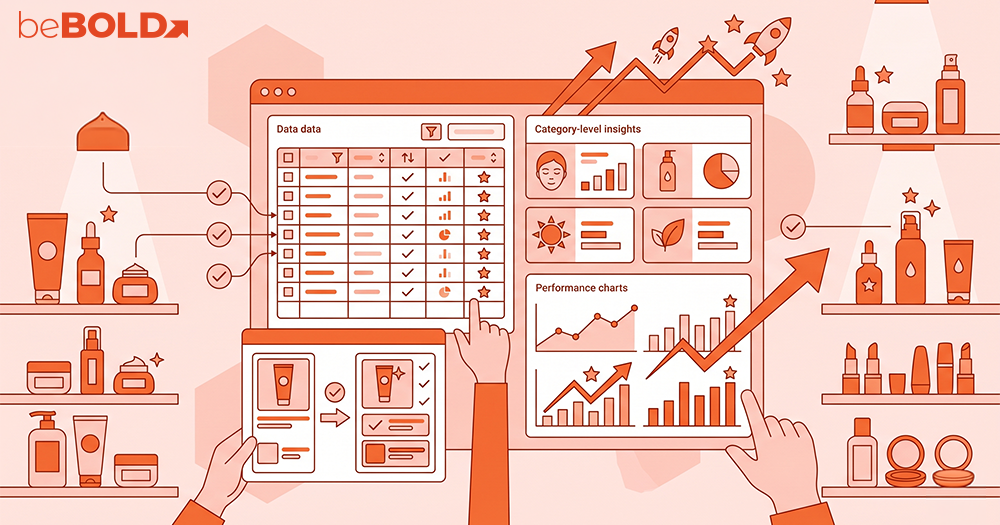
Recommendation systems behave differently in high-consideration categories; this breakdown of AI-assisted beauty product discovery shows what beauty brands must make clear about ingredients, suitability, claims, and usage.
Amazon Still Owns the Last-Mile Purchase
While ChatGPT influences awareness, Amazon remains unmatched when it comes to conversion. With Prime benefits, trusted reviews, fulfillment reliability, and built-in AI tools like Rufus, Amazon continues to dominate the final buying decision.
For sellers, this means:
- ChatGPT supports discovery, but Amazon listings close the sale
- Rufus reinforces confidence using reviews, Q&A, and catalog data
- Strong Amazon SEO, reviews, and Buy Box performance remain essential
- The most successful brands optimize for both AI discovery and marketplace conversion
How Amazon Sellers Can Prepare for AI Discovery

Forward-thinking brands are already adapting their strategies to align with AI-driven discovery.
Improve Structured Product Data Everywhere
Clear titles, detailed descriptions, FAQs, and structured phrasing help AI systems interpret relevance. This starts with fundamentals like learning how to optimize Amazon product titles and extends across all brand-owned content. Feature → Benefit → Result language is especially effective for inference.
beBOLD Digital Expert Tip: If your listing or product page doesn’t clearly explain who the product is for and why it’s better, AI systems won’t either.
Client Scenario: A beauty brand working with beBOLD Digital struggled to gain visibility outside Amazon despite strong internal rankings. By restructuring their product descriptions using Feature → Benefit → Result language and adding FAQ-style use cases, the brand began appearing more frequently in ChatGPT-style product recommendations tied to “sensitive skin” and “clean beauty” queries, driving new awareness before shoppers ever reached Amazon.
Build External Content AI Can Read
Buyer guides, comparison articles, educational blogs, and use-case pages give AI models context they can reuse when generating recommendations. This mirrors how AI is transforming adjacent ecommerce functions, including areas like AI in payments and transaction security.
Client Scenario: For a supplement brand, beBOLD Digital developed external buyer guides comparing ingredient formats, absorption rates, and use cases. This content gave AI systems clear context to reference the brand when users searched for comparison-based recommendations, reinforcing authority during early research.
Align Amazon Listings With AI Trends
Consistency across external content and Amazon listings improves visibility in both marketplace search and AI discovery environments. Advanced tactics, such as optimizing ad delivery with Amazon AI dayparting, help reinforce performance once traffic reaches Amazon.
Client Scenario: After aligning a pet brand’s Amazon listings with the same language used across their external guides and FAQs, beBOLD Digital saw improved clarity in both Rufus-driven discovery on Amazon and AI-assisted research queries, helping the brand stay visible throughout the full buyer journey.
How beBOLD Digital Helps Amazon Brands Win in the AI Era
AI-driven discovery is changing how shoppers find, evaluate, and choose products, but Amazon performance still determines who wins the sale. beBOLD Digital helps brands connect these two worlds by building visibility where discovery happens and conversion where it counts.
We help Amazon sellers:
- Optimize product content for both Amazon algorithms and AI inference signals
- Create external guides, FAQs, and use-case content that fuels ChatGPT product listings and recommendations
- Align Amazon SEO, PPC, DSP, and generative engine optimization into one cohesive growth strategy
Learn more about our full-service approach to Amazon SEO.
Ready to make sure your products are discovered before the buying decision is made? Talk to beBOLD Digital and build an Amazon strategy designed for the AI-powered shopping era.
Frequently Asked Questions
Will ChatGPT show Amazon product listings directly?
Often no. Amazon limits access to live product pages, so ChatGPT frequently relies on external sources.
Is Rufus replacing Amazon search?
No. Rufus enhances product research inside Amazon but does not replace ranking factors, reviews, or Buy Box mechanics.
Should Amazon sellers invest in external content for AI visibility?
Yes. Structured, high-quality external content increases the likelihood that AI models associate your products with relevant buyer queries.






Comments