


Amazon Prime Day 2026 officially starts on June 23, 2026, giving Amazon brands a much earlier sales window than the usual July timing. The event is expected to run through June 26, which means sellers need to move quickly on inventory, promotions, listing updates, Amazon Ads, and audience strategy.
For Amazon brands, Prime Day 2026 should not be treated as a last-minute sales push. With the start date already set for June 23, this is a key retail event that can affect organic ranking, paid ads, pricing against competitors, new customer growth, and customer retention after the event.
 Source: Amazon
When Is Amazon Prime Day 2026?
Amazon Prime Day 2026 starts on June 23, 2026. The event is expected to run through June 26, giving Prime members several days to shop deals across major categories.
Prime Day 2026 will be available to Prime members in 26 countries, including the United States, Canada, Mexico, the United Kingdom, Germany, France, Italy, Spain, Singapore, the United Arab Emirates, and other major markets.
Amazon said that Prime members in Australia, Brazil, India, and Japan will get Prime Day deals later in the summer of 2026. For international sellers, this means Prime Day planning should be handled by marketplace instead of being treated as one global event with the same timing everywhere.
For brands selling in the U.S. and other June Prime Day markets, June 23 is the date to build around. Inventory, promotions, ads, listing refreshes, pricing checks, and retargeting audiences should all be ready before shoppers begin comparing deals.

Why the June 23 Start Date Matters for Amazon Sellers
With Prime Day 2026 starting on June 23, brands that usually plan for a July event have a shorter preparation window. Decisions around coupons, deal submissions, inventory forecasting, creative assets, and ad budgets need to happen earlier.
This timing is especially important for categories Amazon has highlighted for Prime Day 2026, such as electronics, kitchen, beauty, apparel, fresh groceries, pantry items, and household essentials. These areas will likely see stronger shopper demand and tougher advertiser competition once Prime Day traffic starts.
The June 23 start date also gives sellers less room to fix problems once the event begins. Stockouts, weak listings, mismatched pricing, missing coupons, or underfunded campaigns can limit performance during one of Amazon’s biggest shopping events of the year.
What Happened During Prime Day 2025?

Prime Day 2025 set a high benchmark. Adobe reported that U.S. retailers generated $24.1 billion in online spend from July 8 to July 11, up 30.3% year over year. Mobile accounted for 53.2% of online sales, contributing $12.8 billion.
Adobe also found that generative AI traffic to U.S. retail sites grew by 3,300% during Prime Day 2025 compared to the previous year. This shows brands need to write product pages for Amazon search, Google, and AI-powered shopping experiences.
Numerator’s 2025 Prime Day tracker showed that the average Prime Day order was $53.34, while the average household spend was about $156.37. Nearly two-thirds of households placed two or more orders, and 67% of items sold for under $20.
These numbers show that Prime Day is not just about big discounts. It is also a great chance to sell consumables, bundles, refill products, trial sizes, and everyday essentials.
Best Deals to Watch for During Prime Day 2026
Amazon Prime Day 2026 is set for June. It’s a good idea to start watching popular categories early, since Amazon will feature deals on electronics, kitchen gadgets, beauty products, clothing, groceries, pantry staples, household essentials, trending items, creator picks, and Amazon-only products.
Here are some top products and brands to keep an eye on during Prime Day 2026:
1. Amazon Devices

Source: Amazon
Watch for deals on Echo, Fire TV, Kindle, Ring, Blink, and Echo Show. Amazon devices often get the biggest Prime Day discounts because Amazon wants to showcase its products and promote smart home features.
2. Electronics and Tech Accessories

Source: Amazon
Look for deals from Apple, Samsung, Sony, Bose, Anker, Lenovo, HP, Dell, and Garmin. These brands usually offer strong Prime Day discounts, especially on tech products. You might also see deals on older models, bundles, or seasonal upgrades.
Projected Discounts: 30% to 60% off, with the deepest cuts usually on older-generation devices, bundles, and smart home kits
3. Small Kitchen Appliances

Source: Amazon
Check for deals on Ninja, Shark, KitchenAid, Keurig, Instant Pot, Vitamix, Cuisinart, and Breville. Kitchen appliances are always popular since they’re useful for many households, simple to use, and easy to compare by price.
Projected discounts: 10% to 40% off, with accessories, headphones, monitors, and previous-generation devices typically seeing stronger markdowns than newly released products.
4. Beauty and Personal Care Products

Source: Amazon
Watch for deals on Dyson, Shark Beauty, Olaplex, Medicube, Biodance, CeraVe, La Roche-Posay, Crest, and Philips Sonicare. Beauty and personal care products are great to buy on Prime Day, whether you want to restock basics, try premium brands, or grab value bundles.
Projected discounts: 20% to 50% off, especially on air fryers, coffee makers, blenders, multicookers, and appliance bundles.

5. Household Essentials and Pantry Items

Source: Amazon
Look for deals on Tide, Bounty, Charmin, Cascade, Dawn, Clorox, Seventh Generation, Amazon Basics, and Happy Belly. These are smart Prime Day buys since you can stock up, compare prices by unit, and often find multipacks or Subscribe & Save options.
Projected discounts: 10% to 30% off, with added savings possible through coupons, bulk packs, and Subscribe & Save stacking.
6. Apparel and Back-to-School Products

Source: Amazon
Watch for deals on Levi’s, Adidas, Under Armour, The Children’s Place, JanSport, Eastpak, Crayola, Elmer’s, and Five Star. Since Prime Day 2026 is in June, you can get a head start on back-to-school shopping before the rush.
Projected discounts: 20% to 50% off, especially on seasonal apparel, backpacks, school supplies, basics, and multipack items.
7. Lightning Deals
Check for short-term discounts on electronics, home goods, beauty, and seasonal items. Lightning Deals can offer big savings, but it’s wise to check price history first because the fastest deal isn’t always the best one.
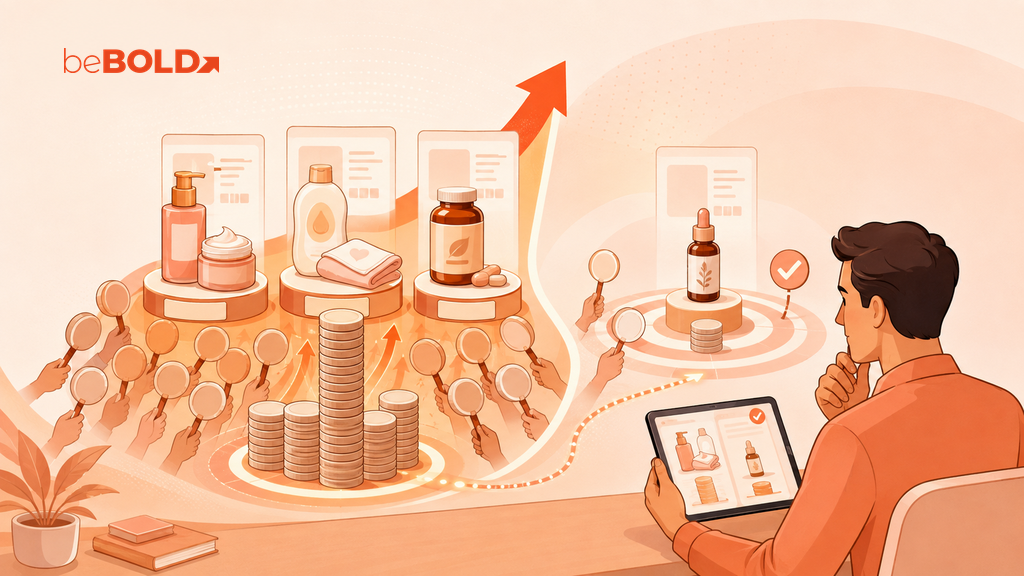
For Amazon brands, these categories are likely to see the most demand and competition. Sellers in beauty, household, grocery, pet, kitchen, and everyday essentials should prepare for more traffic, tougher ad competition, and more shoppers comparing prices across Amazon, Walmart, Target, Best Buy, and direct-to-consumer sites.
How Amazon Brands Should Prepare for Prime Day 2026
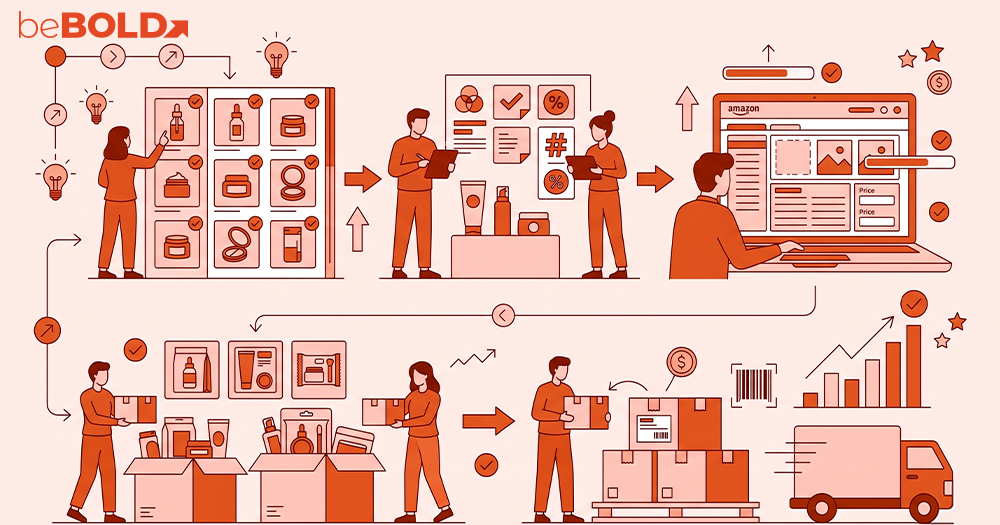
Since Prime Day 2026 is in June, brands should start planning earlier for inventory, SEO, deals, advertising, and audience strategy.

1. Finalize Inventory Early
Running out of stock can hurt your sales and organic ranking. Look at your 2025 sales trends, current sales pace, lead times, FBA capacity, and expected boost from deals. If you sell beauty, household, pet, grocery, or baby products, focus on your top SKUs, multipacks, replenishment products, and items shoppers may reorder after Prime Day.
2. Optimize Listings Before Traffic Peaks
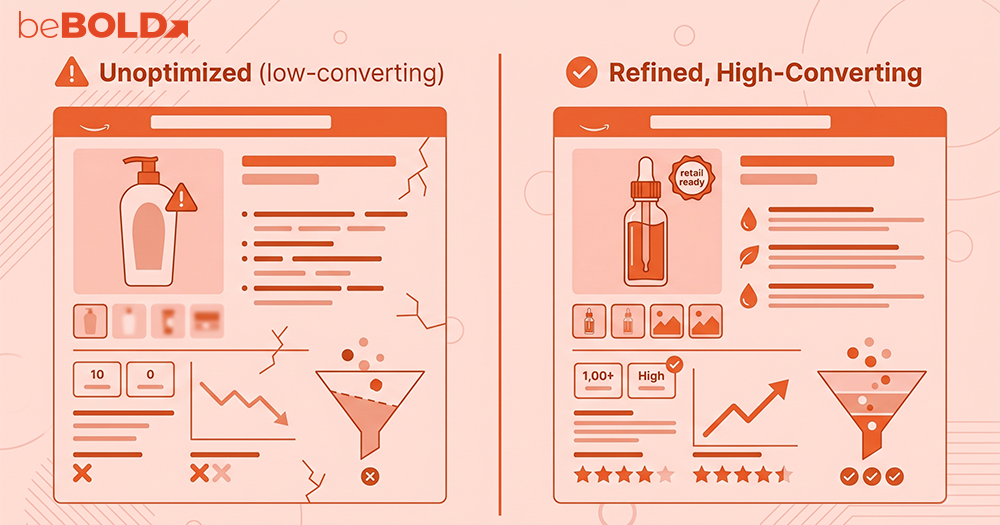
Prime Day traffic will not make up for weak product pages. Update your titles, bullet points, A+ Content, images, videos, and comparison charts before Prime Day in June 2026. To show up in Amazon search, Google, and AI-powered shopping journeys, answer common shopper questions about how to use your product, its benefits, what makes it different, what it’s made of, and how it compares to others.
3. Build Deals Around Margin, Rank, and Customer Value
Make sure your discounts have a clear goal, like boosting your ranking, moving inventory, getting new customers, growing Subscribe & Save, or increasing order size. For consumable products, Prime Day can also bring in first-time buyers who may be worth moving into repeat-purchase or Subscribe & Save campaigns after the event.
4. Plan Retail Media and AMC Audiences Earlier
Amazon Ads will probably get more competitive before and during Prime Day. EMARKETER predicts that U.S. retail media ad spending will hit $69.33 billion in 2026, up from $58.79 billion in 2025, with Amazon and Walmart taking most of the growth.
Your Prime Day ad plan should include how you pace your budget, split up keywords, and use Sponsored Products, Sponsored Brands, Sponsored Brands Video, Sponsored Display, DSP retargeting, and campaigns to protect your brand.
If you use Amazon Marketing Cloud, build audiences before the event, such as lookalikes of existing customers, cart abandoners, and high-value customers. During Prime Day, retarget product detail page visitors, Store visitors, video viewers, add-to-cart shoppers, wishlist shoppers, and customers who purchased during last Prime Day.
5. Monitor Cross-Retailer Pricing
Prime Day now influences the wider ecommerce market. Numerator found that more than half of Prime Day 2025 shoppers compared prices with other retailers before ordering, while 49% shopped or planned to shop Walmart Deals and 35% did the same for Target Circle Week.
Amazon brands should keep an eye on Walmart, Target, direct-to-consumer sites, and retail partners to make sure price differences do not hurt Prime Day sales.
6. Create a Post-Event Retargeting Strategy
After the event, continue retargeting shoppers who viewed discounted products but did not buy. Shift the message from limited-time deals to product benefits, reviews, replenishment, cross-sells, and reasons to buy.
For beauty, pet, and baby brands in particular, Prime Day can be one of the best opportunities of the year to convert first-time buyers into long-term customers through Subscribe & Save. Products such as skincare, supplements, pet food, treats, diapers, wipes, formula, and other everyday essentials naturally lend themselves to recurring purchases.
Post-event retargeting campaigns should highlight convenience, savings, automatic deliveries, and the ability to avoid running out of frequently used products. Rather than focusing solely on another discount, encourage Prime Day shoppers to enroll in Subscribe & Save and reinforce the long-term value of staying subscribed. This approach can help consumer brands improve customer lifetime value, increase retention, and generate more predictable revenue long after Prime Day ends.
Start Prepping for the Biggest Amazon Sale in 2026
With Prime Day in June 2026, brands have less time to get ready, but they also have a chance to reach shoppers before the usual July rush. The brands that do best will be those that prepare inventory, deals, Amazon SEO, retail media, and outside content ahead of time.
For Amazon brands, Prime Day 2026 is more than just a time for discounts. It is a chance to boost visibility, drive sales, and keep customers, so plan for every stage of the ecommerce funnel. Want to create a foolproof strategy to boost sales this coming Prime Day? Schedule a call with us today.
Frequently Asked Questions About Amazon Prime Day 2026
Is Amazon Prime Day in June 2026?
Yes. Amazon has confirmed that Prime Day 2026 will take place in June, although the exact dates have not been announced yet.
Why is Amazon Prime Day 2026 important for sellers?
Amazon Prime Day 2026 matters because it can affect how fast you sell, your product ranking, getting new customers, ad costs, and how you stack up against competitors. With the event in June, brands have less time to get ready than usual.
What categories should prepare most aggressively?
Amazon called out electronics, kitchen, beauty, apparel, fresh groceries, pantry items, and household essentials. If you sell in these categories, expect more shoppers and tougher competition.
How should brands use Amazon Ads for Prime Day 2026?
Brands should use a mix of Sponsored Products, Sponsored Brands, Sponsored Brands Video, Sponsored Display, and retargeting. Split your campaigns by branded keywords, category keywords, competitor keywords, and searches focused on deals.
Should brands create Google content around Prime Day 2026?
Yes. Creating Google content can help shoppers find you before they get to Amazon. Category guides, deal previews, comparison articles, and Prime Day shopping tips can help your brand reach people searching on Google, AI Overviews, and LLM-powered research tools.


Comments