



Estée Lauder’s Indie Reset Delivers a Return to Growth
The Estée Lauder Companies has broken a three-year run of annual sales declines, giving its “Beauty Reimagined” turnaround its clearest proof point yet.
According to the company’s fiscal 2026 results, net sales increased 5% to $15.05 billion for the year ended June 30. Organic sales rose 3%, while adjusted operating margin reached 11.2%, up from 8% in fiscal 2025.
Fourth-quarter organic sales grew 5%, marking the company’s fourth consecutive quarter of growth. The results also exceeded market expectations, helping Estée Lauder shares close 16.4% higher on August 19, according to BeautyMatter.
The company is now forecasting 3% to 5% organic sales growth for fiscal 2027 and has raised its adjusted operating margin outlook to between 12.7% and 13.5%.
China, Skincare, and Fragrance Carry the Recovery
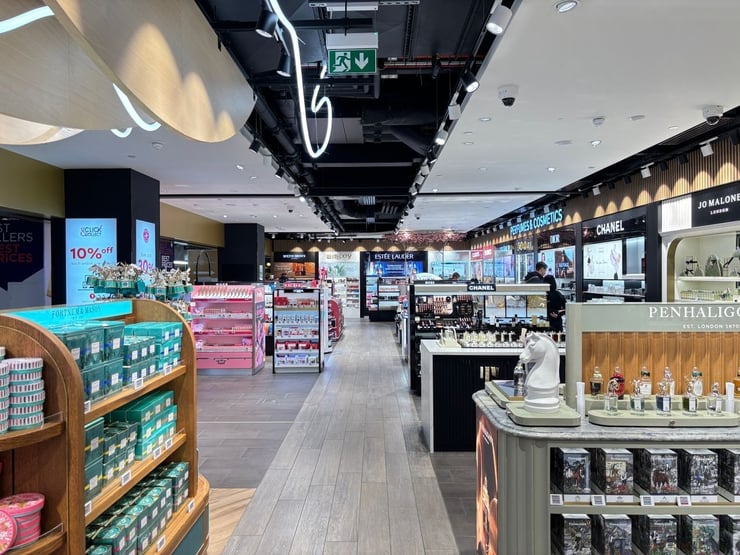
Mainland China delivered 9% organic growth for the full year, supported by product innovation, major shopping events, and strong online-channel performance.
Estée Lauder’s more localized approach appears to be central to that progress. Regional teams have gained greater decision-making authority, while local research, manufacturing, and distribution infrastructure has improved the company’s ability to respond to changing consumer demand.
Category performance was equally divided:
-
Skincare organic sales increased 4%, led by La Mer, The Ordinary, and Estée Lauder.
-
Fragrance organic sales grew 10%, driven by Le Labo, Tom Ford, and Kilian Paris.
-
Makeup was virtually flat, despite gains from MAC and Tom Ford.
-
Haircare declined 1%, as Aveda’s challenges outweighed growth from The Ordinary.
Fragrance’s momentum was especially important. Le Labo and Kilian Paris were among Estée Lauder’s fastest-growing brands, while Tom Ford and Jo Malone London joined the company’s group of billion-dollar brands.
The Marketplace Lesson: Put Decisions Closer to Demand
Estée Lauder’s “indie mode” is not simply about making a large company look smaller. It is about shortening the distance between consumer signals and business decisions.
BeautyMatter reported that the company has been reallocating attention from underperforming department-store and freestanding locations toward Amazon Premium Beauty, TikTok Shop, Sephora, and Ulta Beauty. That channel shift reflects where more beauty discovery, consideration, and purchasing now take place.
For established beauty brands, the lesson is practical: marketplace expansion works best when product development, inventory, content, retail media, and regional leadership can respond together.
Being present on Amazon is only the first step. Brands also need retail-ready listings, category-compliant content, reliable inventory, and advertising aligned with actual demand. beBOLD Digital’s guide to selling beauty products on Amazon explains the foundations required to compete effectively.
The Remaining Test: Can Makeup and Haircare Become Agile Too?

The turnaround is taking hold, but it is not yet evenly distributed.
Estée Lauder has retained Too Faced, Smashbox, and Dr.Jart+ after considering a sale. Personal Care Insights reported that the brands are instead being reorganized under leaner operating structures designed to accelerate innovation and strengthen consumer connections.
At the same time, the company has ruled out large transformational acquisitions for the foreseeable future. Management plans to prioritize core-brand growth, minority investments, and smaller single-brand deals.
That discipline will be tested most clearly in makeup and haircare. Faster decision-making matters, but each brand still needs a distinct product, channel, and profitability strategy.
beBOLD Digital’s Take
Estée Lauder’s recovery shows that beauty growth increasingly depends on organizational speed and channel relevance, not scale alone.
Brands should evaluate performance by category, product, and channel rather than expecting one growth strategy to work across the entire portfolio. Amazon, TikTok Shop, specialty retail, and direct-to-consumer channels can play different roles in discovery and conversion.
If your beauty brand needs a coordinated strategy for marketplace content, advertising, catalog management, and profitable growth, explore beBOLD Digital’s Amazon Premium Beauty agency services.
Sources
BeautyMatter: Estée Lauder’s Turnaround Takes Hold as China, Skincare, and Fragrance Drive Growth
The Estée Lauder Companies: Fiscal 2026 Results







Comments