


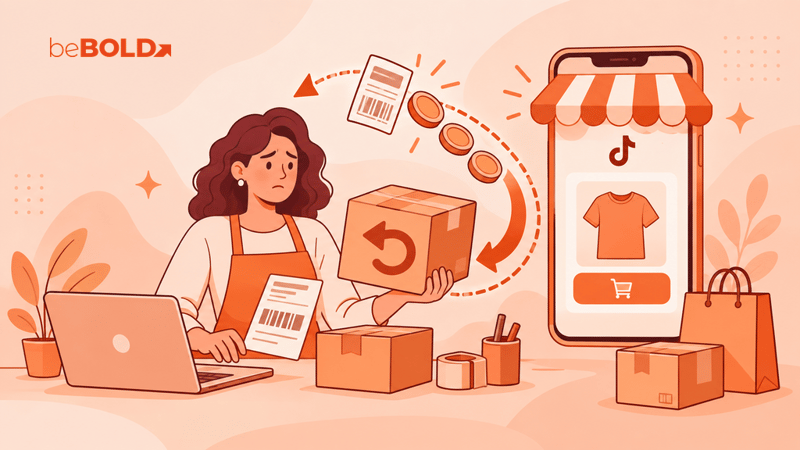
TikTok Shop Places the Return-Shipping Bill on Sellers
TikTok Shop has shifted return shipping costs fully to sellers in the United States, adding another expense that brands must account for when calculating channel profitability. Whether brands manage operations internally or work with a TikTok Shop agency, the change makes return costs an important part of pricing, promotion, and product-level profit decisions.
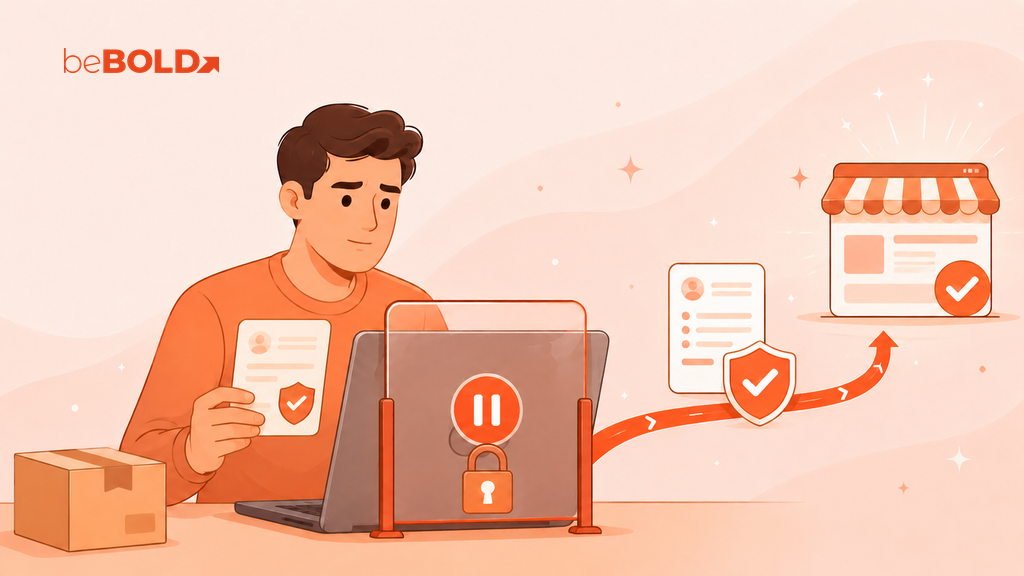
To reduce exposure to unpredictable return expenses, the platform has introduced an optional Return Shipping Protection Program operated by third-party vendors. Sellers can enroll or withdraw through Seller Center.
The change adds to a broader transfer of logistics costs to TikTok Shop merchants. The platform previously ended its Co-Funded Free Shipping program, removing shipping subsidies and requiring participating sellers to absorb more outbound shipping costs. TikTok Shop has also raised certain multi-unit FBT fulfillment fees, adding further pressure for brands selling heavier products or bundles.
For brands reviewing their total marketplace expenses, return shipping should now be included alongside referral, fulfillment, affiliate, promotional, and advertising costs. beBOLD Digital’s guide to TikTok Shop fees provides additional context for evaluating the channel’s full cost structure.
Protection Trades Variable Losses for a 1.5% Charge

Sellers that enroll pay 1.5% of the Total Covered Order Value for every covered package. TikTok Shop calculates this value using the buyer-paid amount and applicable platform subsidy, excluding tax.
The protection includes:
-
Return shipping fees for eligible buyer-fault and seller-fault returns
-
Products damaged during return transit
-
Parcels lost or stolen during the return
-
Returns marked as sent but never delivered to the seller
TikTok Shop lists a maximum liability of $15,000 per order, while reimbursement for the return shipping fee itself is capped at $20.
Return shipping fee claims are generally processed automatically after the buyer drops off the parcel. Sellers must manually submit claims involving damaged, stolen, lost, or undelivered items and provide supporting evidence where required.
Manual claims must be filed within 90 days of the returned item being collected and entering transit. TikTok Shop says third-party vendors generally review these claims within one business day.
The program does not cover refunds issued without a return, parcels the buyer never drops off, returns sent to overseas warehouses, or item-value losses caused by seller fault.

The Margin Decision Depends on Each Seller’s Return Profile
The program is optional, so enrollment should be treated as a financial decision rather than a default setting.
A seller with a low return rate and inexpensive products may pay more in recurring protection fees than it recovers through claims. A brand selling higher-value, fragile, frequently returned, or theft-prone products could receive greater value from reducing exposure to occasional large losses.
Before enrolling, sellers should review:
-
Return rates by SKU and product category
-
Average return shipping costs
-
The value of damaged, lost, and undelivered returns
-
How often current reimbursement claims succeed
-
Whether split shipments will create multiple protection charges
-
The effect of another 1.5% expense on contribution margin
Brands that are still configuring their accounts should also review the broader TikTok Shop requirements for sellers. Coverage begins immediately for eligible orders placed after enrollment, but earlier orders are not covered retroactively.
beBOLD Digital’s Take: Recalculate Returns Before Scaling TikTok Shop
The protection program can make return costs more predictable, but predictability does not automatically make the fee economical.
Brands should model protected and unprotected scenarios using actual order and return data. They should also examine whether product descriptions, sizing details, creator claims, packaging, or fulfillment problems are contributing to avoidable returns. Protection can limit certain losses, but it cannot correct a weak customer experience.
If return expenses, creator commissions, advertising, fulfillment, and shipping are evaluated separately, a product can appear successful while producing little contribution profit. Sellers should assess them together before increasing promotional or media spending.
Need help managing TikTok Shop operations while protecting sustainable channel growth? Explore beBOLD Digital’s TikTok Shop agency services and contact our team today.
Sources
TikTok Shop Academy, “A Guide to the Return Shipping Protection Program”
TikTok Shop Academy, “How to Join the Return Shipping Protection Program”





Comments