


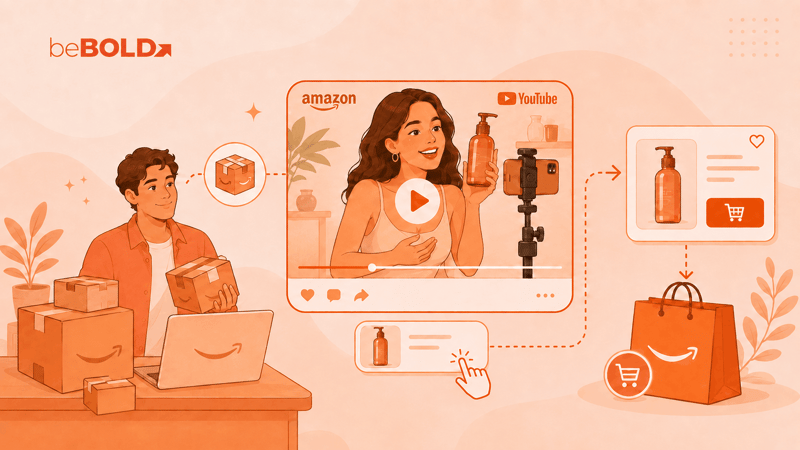
The Amazon YouTube Shopping Affiliate Program lets eligible U.S. creators tag available Amazon products in videos, Shorts, and livestreams. It creates a more direct creator-to-Amazon path, but product availability, seller control, and purchase-level attribution remain limited. Brands should treat native tags as a conversion layer, not a complete creator strategy.
Amazon Product Tags Are Now Native to YouTube Content
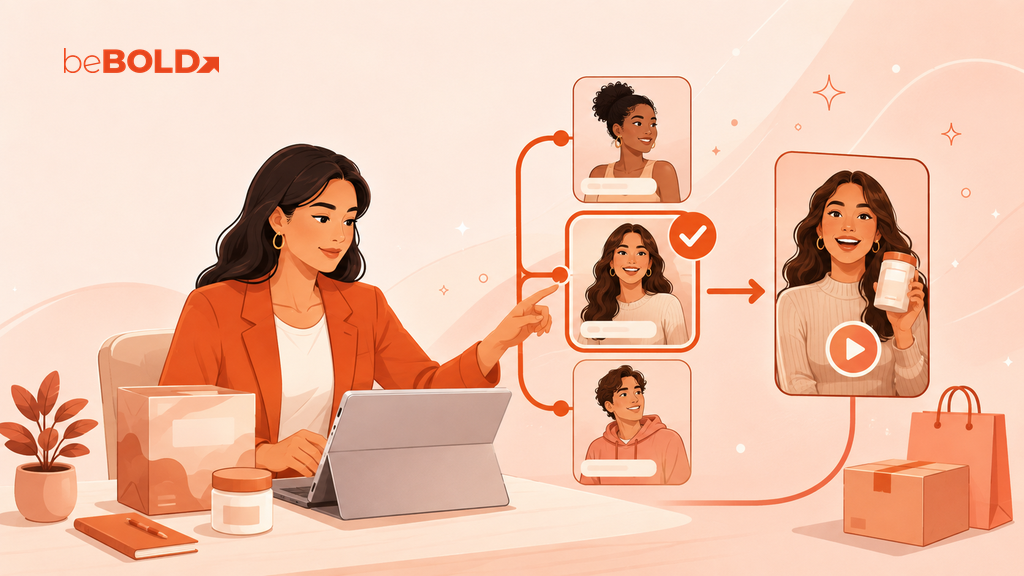
On August 27, 2026, YouTube announced that Amazon had joined its Shopping Affiliate Program. Eligible U.S. creators can now tag Amazon products in Shorts, long-form videos, and livestreams rather than relying only on description links.
YouTube’s Amazon tagging documentation requires creators to participate in the YouTube Partner Program and U.S. YouTube Shopping affiliate program. They also need an active Amazon Influencer Program or Amazon Associates Program account in good standing and must link it to the eligible channel.
Creators choose from a selection of Amazon products in YouTube Studio. They can ask YouTube Creator Support to consider a missing product or enable auto-tagging, but availability is not guaranteed. YouTube advises creators to review auto-tags because its system can make mistakes.
The documentation does not provide a Seller Central or Brand Registry control that lets sellers directly enroll an ASIN or require a tag.
Amazon Product Discovery Is Moving Further Beyond Amazon.com
The integration turns creator-owned YouTube content into a more direct Amazon discovery surface. Reviews, tutorials, comparisons, and livestreams can connect product education with a visible route to Amazon, making creator commerce more relevant to marketplace brands.
EMARKETER reported, citing YouTube, that videos using Shopping tags generated 110% more product clicks than description links alone. The result concerns clicks. It does not establish an equivalent increase in conversion rate, incremental sales, revenue, or profitability.
The YouTube Amazon affiliate integration may therefore reduce click friction, but brands still need an operating strategy behind the tag.
This Is a Distribution Opportunity, Not a Seller-Controlled Campaign
 Creators decide whether to feature a product, how to present it, and whether to apply a tag from YouTube’s available selection. Brands gain a distribution opportunity, not complete control over the channel.
Sellers can still influence the conditions around a campaign by:
-
Choosing demonstrable products that can support additional demand.
-
Matching creator audiences and formats to the product’s use case.
-
Providing accurate information and compliant claim boundaries.
-
Coordinating inventory, pricing, promotions, and timing.
-
Using Amazon Creator Connections or a direct creator relationship to establish structured promotional terms.
Native Tags Work Only When the Amazon Offer Is Ready
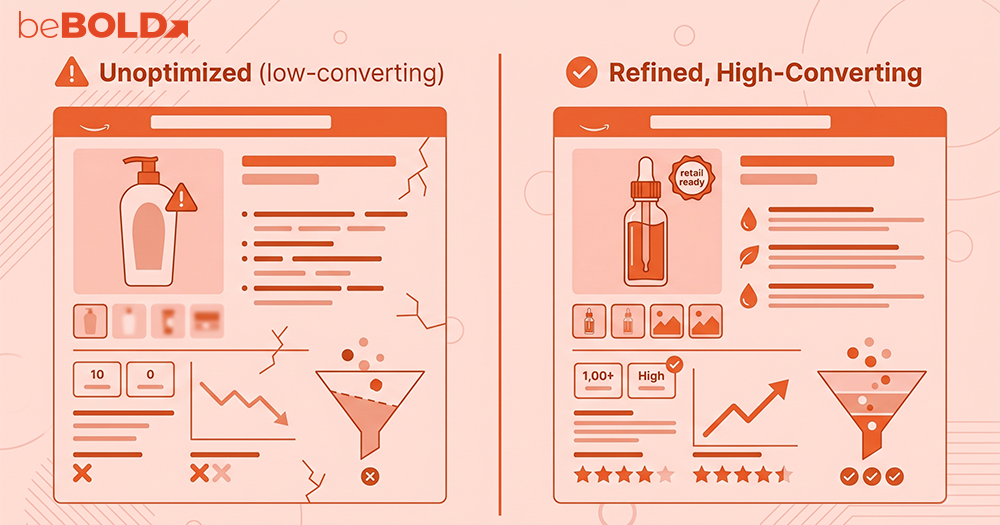
 A product tag cannot repair the experience after the click. If the ASIN is out of stock, loses the Featured Offer, has broken variations, or contains outdated content, additional traffic may expose those weaknesses.
Before scaling tagged creator content, brands should use four tests.
1. Product and retail readiness
Confirm inventory, offer stability, variation structure, product-page accuracy, pricing, conversion assets, and claim compliance. Strong candidates are easy to demonstrate, solve a recognizable problem, and have a product page ready for added traffic.
Category context matters. Beauty can benefit from demonstrations, while health and baby products demand stricter evidence, safety, and claim controls. Pet content should communicate product fit accurately.
2. Creator and content fit
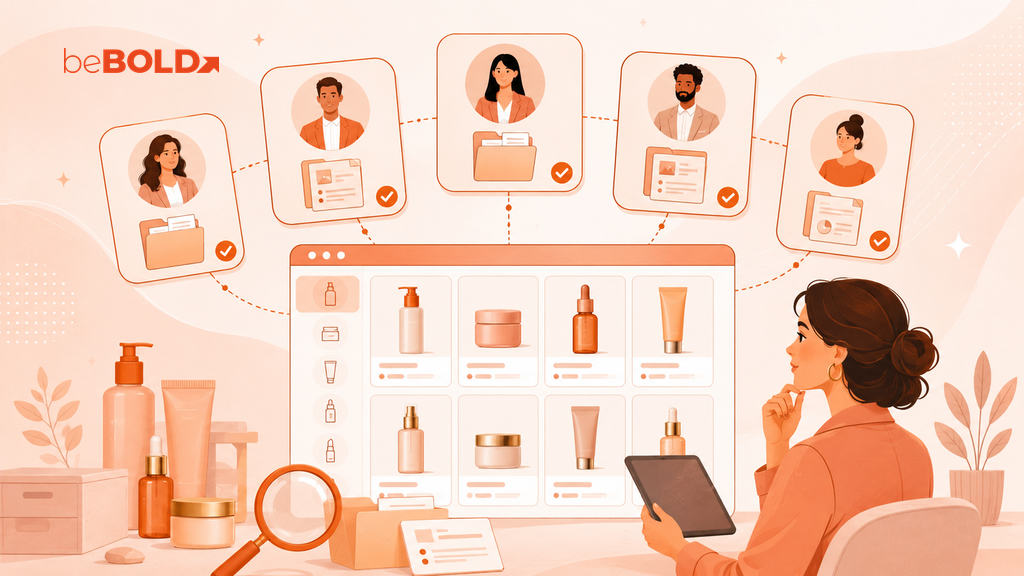
Match the creator’s audience and authority to the buying decision. Shorts can support discovery, long-form reviews can answer comparison questions, and livestreams can provide real-time demonstrations.
3. Unit economics
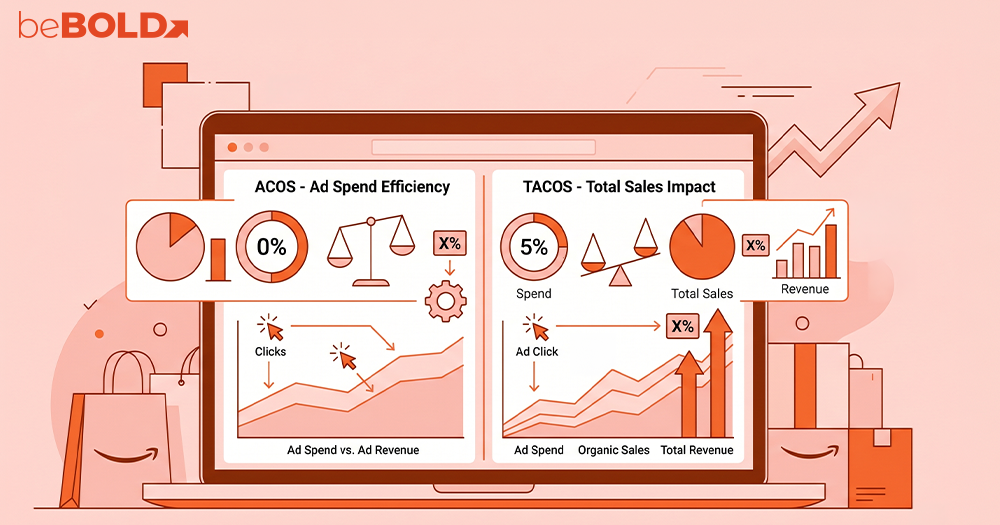
Model compensation, commissions, samples, promotions, returns, and support against contribution margin. More clicks do not guarantee profitable orders.
4. Measurement and learning
Record baseline ASIN performance, publication dates, format, price, promotion, and inventory changes. Define what result would justify expanding, revising, or stopping.

The Attribution Gap Is the Part Brands Should Not Ignore
The launch creates more shopping signals, but not complete affiliate attribution. YouTube says creators can view aggregate daily revenue, clicks, and sales for Amazon tags, but cannot identify which specific videos or products drove Amazon purchases. Its documentation does not promise a seller-facing report connecting each creator, video, tag, and order.
Brands should combine available signals without treating correlation as proof:
|
Signal |
What it can show |
Limitation |
|
Creator-reported YouTube data |
Aggregate clicks, sales, and estimated revenue |
Does not identify the specific video or product behind each Amazon purchase |
|
ASIN traffic and sales |
Movement during the test period |
Does not prove YouTube caused the change |
|
Branded search and Search Query Performance |
Changes in product or brand interest |
Does not provide individual creator ROI |
|
Creator Connections reporting |
Results from a Creator Connections campaign |
Does not cover unrelated organic YouTube tags |
Do not assume Amazon Attribution can measure native YouTube Amazon tags unless Amazon or YouTube documents that capability.
Important Considerations
-
U.S. creator eligibility: International offer matching does not expand creator eligibility beyond the U.S. program.
-
Selection and seller control: Creators do not receive every ASIN, and current instructions describe a creator request through YouTube Support rather than a seller-side workflow.
-
One-channel limit: Only one YouTube channel per Amazon account can be eligible to tag Amazon products.
-
Policy and accuracy checks: Creators should review tags and follow applicable YouTube and Amazon policies.
-
Changing documentation: Recheck eligibility, availability, reporting, and geographic scope before expanding.
beBOLD Digital’s Take: Treat Product Tags as a Conversion Layer
The opportunity to place Amazon products in YouTube Shopping shortens the path between discovery and an Amazon product page, but it does not make every partnership or ASIN ready to scale. Brands should begin with a controlled set of retail-ready products and suitable creators, coordinating inventory, claims, pricing, incentives, and measurement before expanding.
If you’re looking for support in selecting products, contact beBOLD Digital today and let us help in structuring creator relationships, and evaluating performance, or explore beBOLD Digital’s Amazon affiliate management services.

Frequently Asked Questions
Who can tag Amazon products in YouTube Shopping?
Creators need YouTube Partner Program and U.S. YouTube Shopping affiliate eligibility, plus an active, linked Amazon Influencer Program or Amazon Associates Program account in good standing.
Can Amazon sellers add products directly to YouTube Shopping?
YouTube does not document a direct Seller Central or Brand Registry submission process. An eligible creator can ask YouTube Creator Support to consider a missing product, but inclusion is not guaranteed.
Does this replace Amazon Creator Connections?
No. Native tagging is an affiliate distribution feature inside YouTube, while Creator Connections helps brands recruit creators and establish promotional terms. They can complement each other, but no automatic operational link is documented.
Can brands identify which YouTube video generated an Amazon purchase?
No. YouTube provides aggregate Amazon performance but does not identify the specific videos or products behind purchases. Brands should combine creator reporting with ASIN performance, branded search, and campaign timing.
Is Amazon product tagging available to creators outside the United States?
Creator eligibility currently requires participation in the U.S. program. Local merchant matching for some international viewers does not make creator access generally available outside the United States.


Comments