


Pinterest’s Data Points to More Intentional Grooming
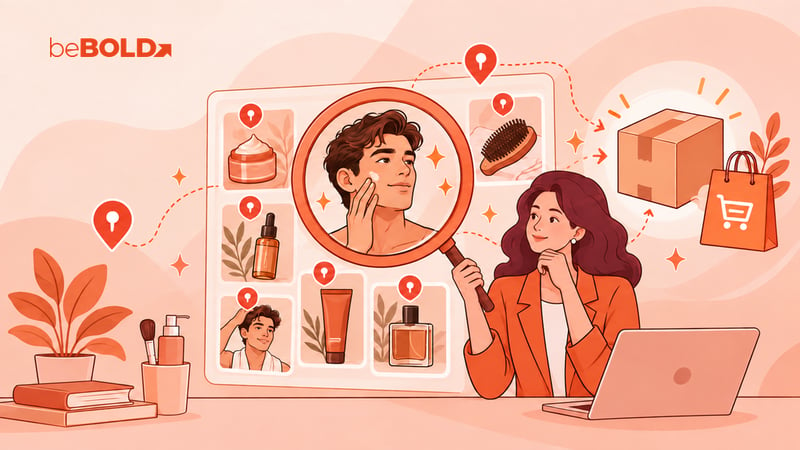
Pinterest released its 2026 Men’s Trend Report on September 9, describing an “intentional man” who is more deliberate about grooming and daily life. Gen Z men’s searches increased 17% year over year, and the generation accounts for more than 62% of monthly searches made by men on the platform, adding another dimension to Gen Z’s impact on the beauty industry. For beauty brands, the findings raise questions about product education, discoverability, and advertising, areas supported by beBOLD Digital’s Amazon beauty marketing services.
Selected search increases illustrate the beauty opportunity:
|
Pinterest search term |
Reported year-over-year increase |
|
men skincare products |
280% |
|
sunscreen for men |
108% |
|
no makeup makeup look |
217% |
|
perfume discovery set |
167% |
Pinterest groups grooming under “Quiet Upkeep,” emphasizing manageable habits, including cleanser, moisturizer, and SPF. Its findings suggest growing attention to appearance without necessarily demanding elaborate routines.
BeautyMatter frames this as the rise of the “high-maintenance man.” For beauty brands, the useful distinction is between the effort shoppers put into choosing products and the complexity they want in using them. A selective buyer may still want a straightforward routine.
Education Could Be the Strongest Entry Point
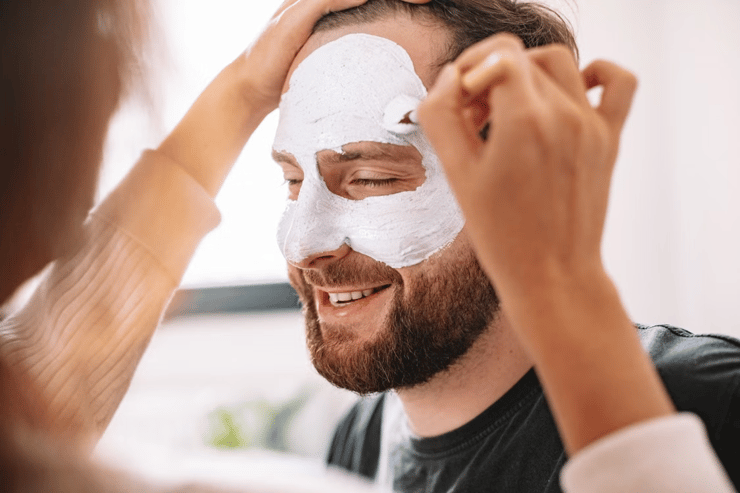
The supplied reporting suggests brands should pay close attention to purchase uncertainty.
CNBC’s January 2026 coverage describes how War Paint uses packaging QR codes to offer application tutorials. It also reports that brands are using male creators and digital education to explain cosmetics to prospective buyers. CO—’s reporting highlights Kiehl’s emphasis on education and access, including its expansion onto Amazon.
For an established beauty brand, this Gen Z trend creates a practical question: could an existing product serve these shoppers, but lose the sale because the listing assumes too much knowledge?
A first-time complexion shopper may need to know how to choose a shade, how much to apply, and whether the finish will look noticeable. A fragrance shopper may need help comparing scent profiles and understanding what a discovery set contains.
Our view is that brands should investigate those information gaps before commissioning new packaging or a separate men’s range. Show relevant people using the product, explain suitability, and make the first purchase easier to evaluate.

Use Pinterest to Form a Hypothesis, Then Validate It on Amazon
The report’s percentages measure platform searches. They do not establish US market size, absolute demand, or Amazon purchase behavior. The accessible release does not clearly disclose the detailed measurement windows and geographic coverage behind these figures.
For Amazon teams, the next step is to connect the trend with their own evidence:
-
Check relevant demand. Review available Amazon Search Query Performance data and advertising search-term data for product needs that match the catalog. Compare clicks and purchases, not search interest alone.
-
Identify buyer hesitation. Examine reviews and customer questions for confusion about application, finish, scent, or routine placement. Do not infer a reviewer’s gender from their name.
-
Choose one product and one use case. Test a clear proposition, such as an existing moisturizer’s lightweight finish, when supported by the product’s actual attributes.
A generic Pinterest search increase should not become a keyword pasted into every title. Relevance still determines whether the shopper reaches a product that meets their needs.
Build a Small Test That Can Inform a Bigger Decision

Before increasing acquisition spend, align the ad promise with the product page.
For example, a beauty brand testing a tinted moisturizer could use a short application video, shade-selection guidance, and close-up finish images. Its Amazon A+ Content could explain where the product fits into a routine and help shoppers compare options. These are proposed tests, not outcomes established by Pinterest’s research.
Keep the test focused enough to interpret. Define the audience or search intent, budget, evaluation period, and success criteria before launch. Where feasible, use a controlled comparison; a simple before-and-after change can be affected by pricing, promotions, or seasonality.
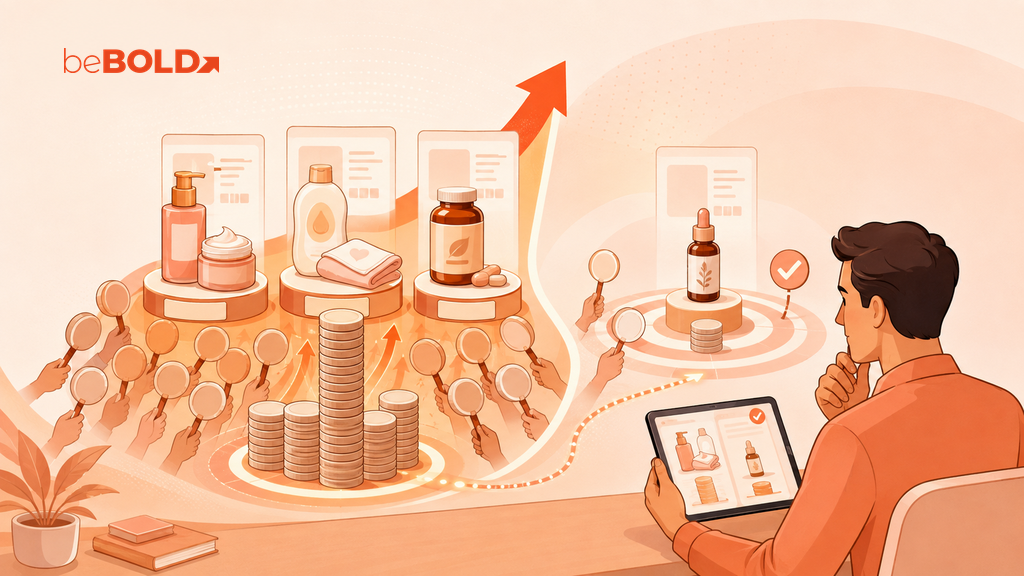
Analyze Amazon PPC data alongside returns and marketplace costs to evaluate conversion, acquisition cost, and contribution after advertising. Watch repeat purchases over a period appropriate to the product. Strong engagement with weak purchasing may indicate unresolved questions or a poor product fit.
Scale inventory and creative investment when the commercial evidence supports it.
Earn the Routine Before Expanding the Range
We see this as a reason for beauty brands to reassess how clearly they serve prospective male shoppers. The first opportunity may be a better explanation of an existing product’s role, supported by relevant imagery and measured advertising.
For Amazon brands, our priority would be to connect product suitability, listing education, and acquisition economics in one test. That makes the next investment decision more defensible than responding to a trend headline alone.
If your beauty brand is evaluating this audience, talk with beBOLD Digital about aligning Amazon listing content and advertising around a focused, measurable test.
Sources





Comments