


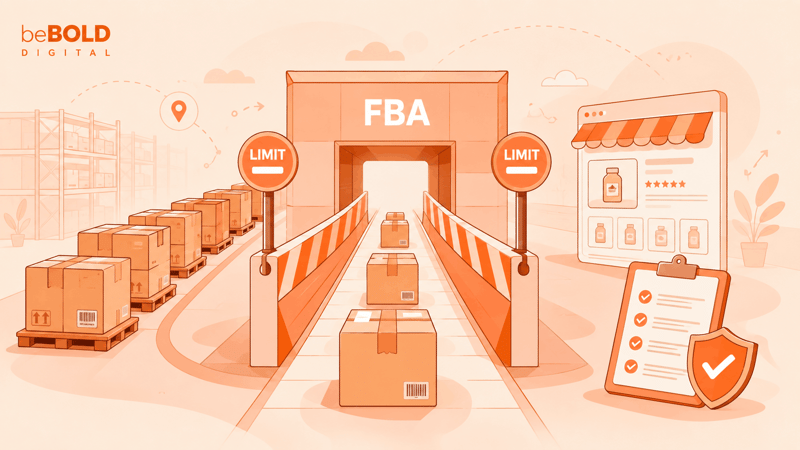
Amazon Is Rewarding Inventory Efficiency Instead of Inventory Volume
Amazon's FBA inventory model continues to evolve in 2026, with many sellers reporting significantly tighter restock limits compared to previous years. Rather than allowing brands to send inventory based primarily on expected demand, Amazon is placing greater emphasis on how efficiently sellers manage existing FBA stock.
According to Nova Analytics, restock limits are now determined by multiple performance signals, including:
- Historical sales velocity
- Forecasted demand
- Inventory Performance Index (IPI)
- Available fulfillment center capacity
- Network movement speed
For sellers that need more space, Amazon's Capacity Manager allows them to bid for additional storage volume. While this provides flexibility during seasonal peaks, it also introduces an additional operational cost that brands must weigh against expected revenue.
Industry reports have also highlighted cases where sellers experienced dramatic reductions in available capacity compared to previous allocation levels, forcing many businesses to adjust replenishment schedules and adopt more frequent inventory shipments instead of relying on large inbound deliveries.
Smarter Inventory Planning Is Becoming a Competitive Advantage

The tightening of restock limits is more than an operational update: it changes how brands should approach inventory management throughout the year.
Holding excessive inventory inside Amazon's fulfillment network no longer provides the same safety net it once did. Slow-moving products occupy valuable capacity that could otherwise be allocated to faster-selling ASINs, reducing a seller's flexibility during promotional periods such as Prime Day, holiday shopping events, or major product launches.
Brands with accurate demand forecasting, stronger sell-through rates, and healthier inventory performance are generally better positioned to maximize their available storage allocation.
Strategy Comparison: Inbound Fulfillment Models
Strategy 1: Direct-to-FBA Bulk Shipping
- Risk Level: High (Exposure to storage caps & aging fees)
- Cost Impact: Low initial freight, high potential storage penalties
- Operational Flexibility: Low
Strategy 2: Staged 3PL / AWD Replenishment
- Risk Level: Low (Bypasses hard FBA capacity ceilings)
- Cost Impact: Moderate handling cost, optimized FBA storage fees
- Operational Flexibility: High

3 Practical Steps to Protect Your FBA Capacity
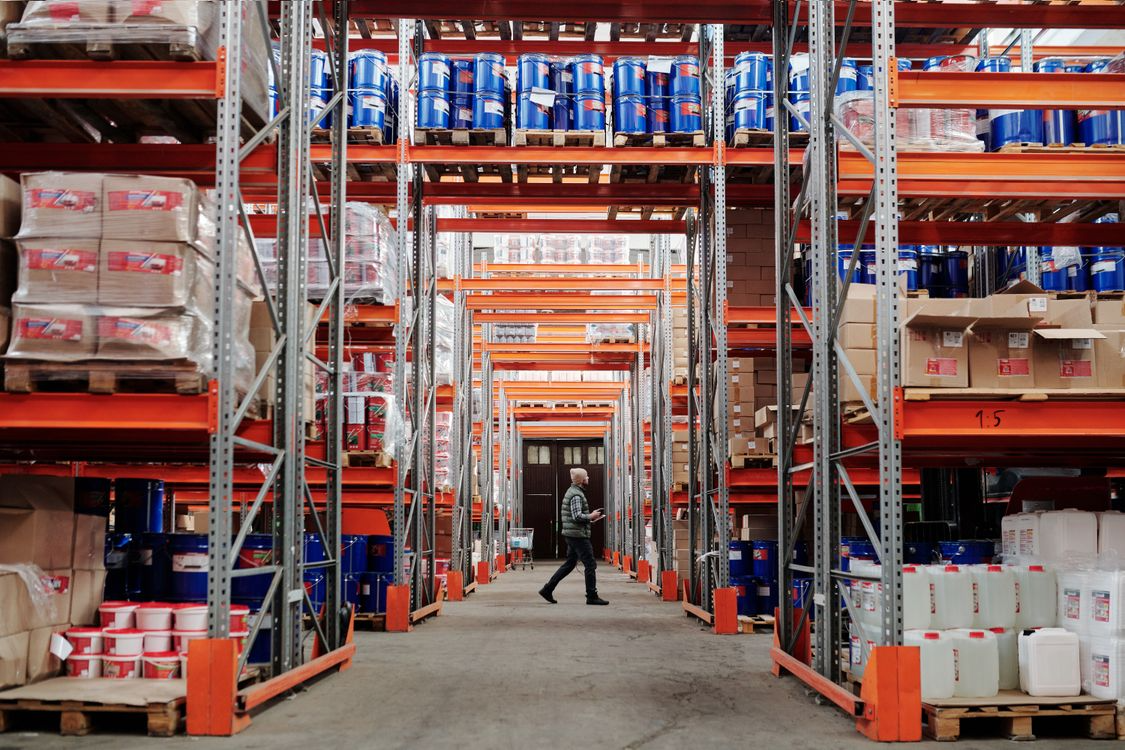
Before storage constraints impact your top-selling products, consider implementing these operational tactics:
- Audit Aged Stock Bi-Weekly: Liquidate or remove inventory sitting past 90 days to immediately free up cubic feet for high-velocity ASINs.
- Transition to Staged Replenishment: Move away from 90-day bulk inbound shipments and adopt a 14-to-21-day rolling replenishment strategy utilizing a 3PL or Amazon Warehousing & Distribution (AWD).
- Calculate Capacity Bidding ROI: Before placing bids in Capacity Manager, ensure your projected net margin on extra units fully offsets the reservation fee.
For a deeper breakdown on optimizing these metrics, explore beBOLD Digital's Guide to Amazon Inventory Management Strategies.
beBOLD Digital's take
Amazon's latest approach sends a clear message: inventory efficiency is becoming just as important as inventory availability.
Rather than trying to maximize every cubic foot of FBA storage, successful brands will focus on improving forecasting accuracy, maintaining healthy sell-through rates, and keeping replenishment cycles flexible. Those operational improvements don't just protect capacity—they also support stronger advertising performance, higher conversion rates, and better profitability throughout the year.
If your brand is struggling with FBA inventory planning, forecasting, or marketplace operations, explore beBOLD Digital's Amazon Full Account Management Services to see how our team helps brands optimize inventory, advertising, and long-term marketplace growth.
Sources
Nova Analytics – Amazon FBA Restock Limits 2026
AMZ Prep – Amazon FBA Capacity Limits Cut by 75%: The Guide for Sellers in 2026







Comments