


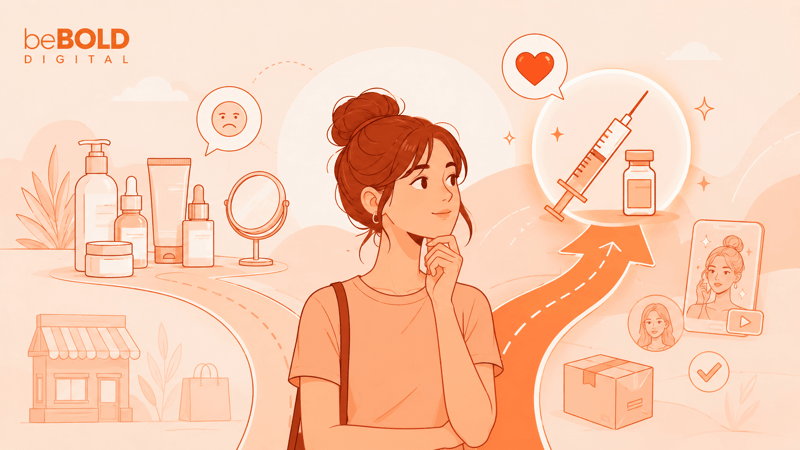
Gen Z’s approach to skincare is changing. Younger shoppers are moving past TikTok routines and trending ingredients, and are trying injectables, med-spa treatments, and IV drip skincare earlier, often before they become loyal to traditional brands. Skincare is still important, but now they expect faster and more noticeable results. In fact, 73% of Gen Z consumers say they are willing to spend more on products that deliver proven results.
Gen Z is influenced by social media, research, and what their peers say. Around 60% of Gen Z discover new beauty products through social media platforms like TikTok and Instagram. They care most about results they can measure, like long-term skin health and personalized care. For beauty brands on Amazon, this is a challenge to show clear value and real proof.
What Changed: Gen Z Is Entering Beauty Through the Med-Spa Door
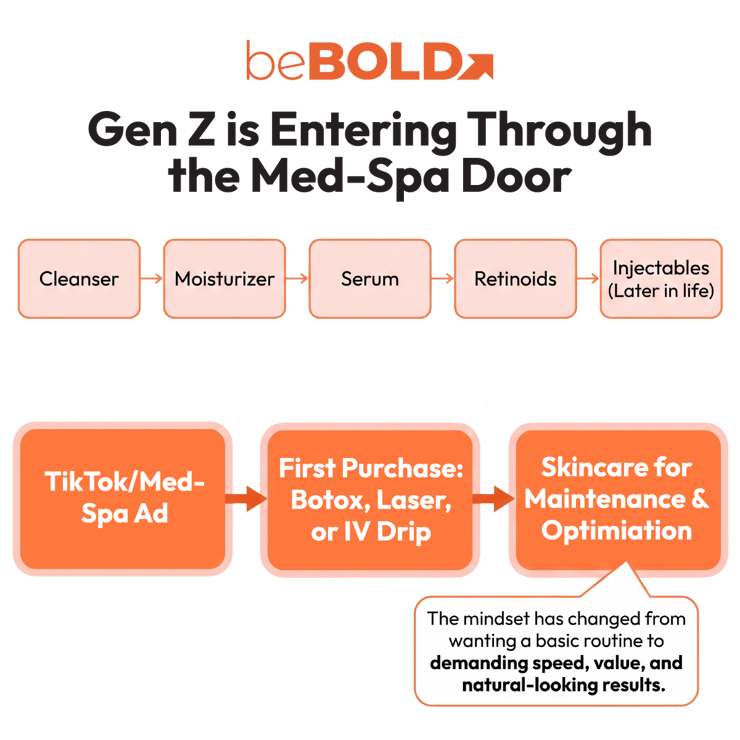
The traditional skincare journey was straightforward. People would start with basics like cleansers, moisturizers, SPF, and acne products, then move on to serums, retinoids, dermatologist visits, or injectables. Now, Gen Z’s path is less predictable. They find treatments through TikTok, creators, Reddit, and med-spa ads. For some, their first big beauty purchase is Botox, fillers, laser treatments, or IV wellness drips.
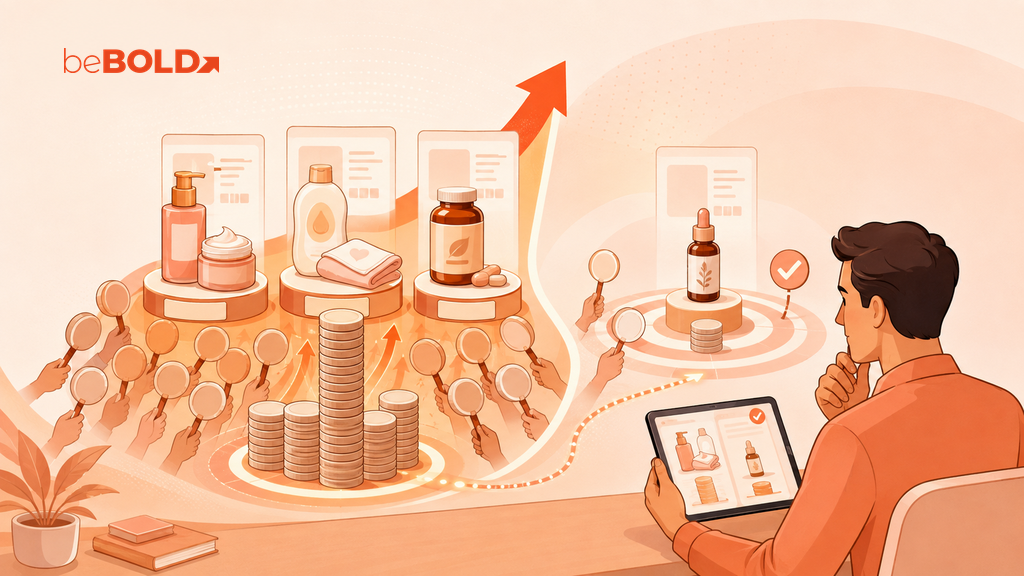
The mindset has changed from simply wanting skincare to asking about speed, value, natural-looking results, and proof. Gen Z wants to see real evidence before they buy, so they look at reviews, demos, comparison photos, and ingredient explanations. 88% of consumers trust online reviews as much as personal recommendations.
For beauty brands on Amazon, this means higher expectations. A skincare listing now needs to build trust, educate shoppers, and help them decide to buy, all at the same time.
Gen Z Is Not Anti-Skincare. They Are Pro-Outcome.
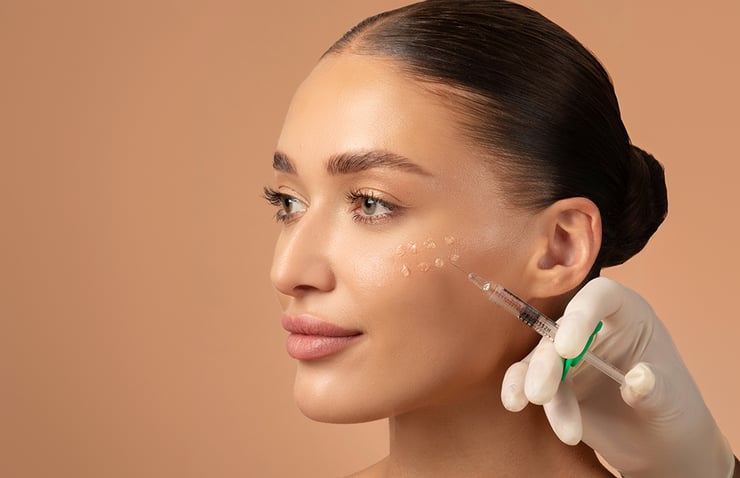
Source: Adobe Stock
Gen Z is not giving up on skincare. They just care more about results. They want measurable outcomes, transparency, and science-backed benefits like peptides, long-term skin health, and personalized diagnostics.
This shift is changing the way shoppers judge products.
|
Old Skincare Messaging |
New Optimization Language |
|
Glow |
Barrier resilience |
|
Hydration |
Skin longevity |
|
Anti-aging |
Texture improvement |
|
Brightening |
Collagen support |
|
Smoothing |
Redness control |
|
Post-treatment maintenance |
|
|
Visible skin quality |
For beauty brands, the key opportunity is to be clear. Skincare does not have to compete with injectables. Instead, it should define its place in daily care, barrier support, and improving visible skin quality.
On Amazon, vague claims do not work anymore. Shoppers want clear benefits, explanations of ingredients, realistic timelines, and real proof.
That’s why optimizing beauty listings is now a key strategy, not just a formatting job.
Where IV Drips, Peptides, and Injectables Are Changing Consumer Expectations

Source: Adobe Stock
The rise of IV drip skincare shows how beauty, wellness, and aesthetics are blending in consumer language, with many shoppers grouping peptides, NAD+ IVs, B12 shots, Botox, and topical products under one idea: optimization.
This overlap can create confusion. The Verge notes these treatments are often flattened into one narrative despite key differences, while Verywell Health highlights limited evidence and potential risks for IV vitamin therapy.
Beauty brands do not need to compete in that space. Instead, they should focus on clarity, proof, and specificity by explaining key ingredients in simple, shopper-friendly language.
For Amazon sellers, that means:
- Avoid treatment-level claims in titles
- Connect ingredients to realistic benefits in bullets
- Use images to show usage, texture, and proof
- Build A+ Content that educates without mimicking procedures
- Leverage reviews for real shopper language
This is where Amazon A+ Content for beauty brands becomes especially valuable, helping explain what titles and bullets cannot.
The Risk: Over-Claiming Can Make Skincare Less Trustworthy
Source: Adobe Stock
The biggest mistake beauty brands can make is trying to sound like injectables without the proof to support it. Gen Z is trend-aware but highly skeptical. They research, compare reviews, and look for real results. Over-promising may drive clicks, but it quickly erodes trust. In fact, 62% of Gen Z say they distrust brands that exaggerate product claims.
Be careful with claims like:
- “Botox in a bottle”
- “Filler effect”
- “Needle-free injectable”
- “Clinical-grade results” without study context
- “Peptide treatment” without explaining the peptide type or benefit
- Before-and-after images that imply procedure-level transformation
The better strategy is to focus on credibility. Highlight realistic benefits like hydration, texture improvement, or barrier support, and clearly explain how the product fits into a routine. On Amazon, where claims, visuals, and reviews shape expectations, this clarity also supports pricing. Beauty brand pricing strategy should connect product benefits, proof, and positioning.

What Beauty Brands Should Optimize Instead
Source: Adobe Stock
If Gen Z is redefining beauty around optimization, brands need to focus on what actually drives trust and conversion.
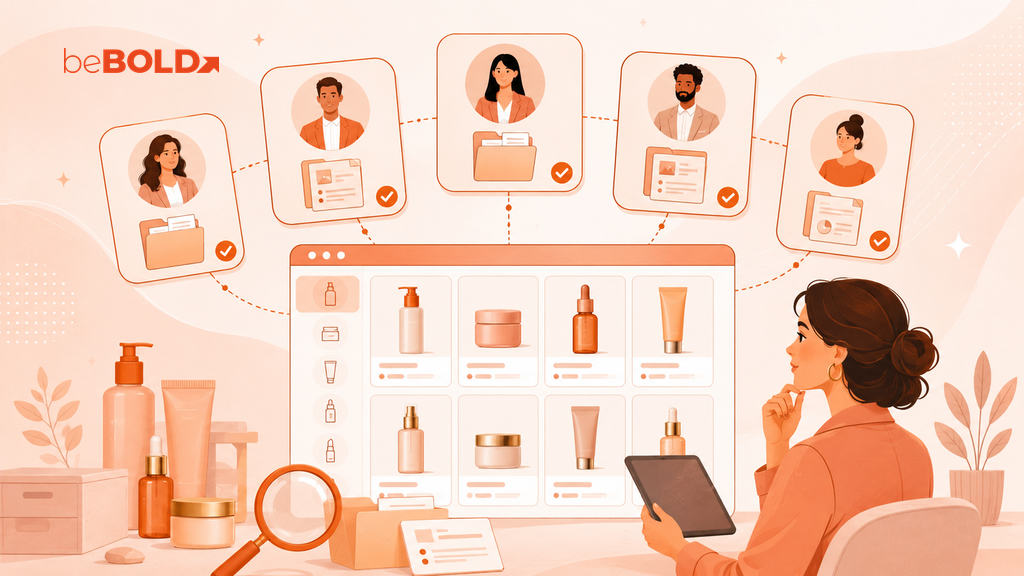
1. Build credibility with clear, structured proof
Amazon shoppers want fast, credible evidence. Use clinical data, reviews, and clear before-and-after visuals, and organize them logically across the page.
2. Educate shoppers with transparent product explanations
Gen Z researches before buying. Listings should clearly explain what the product does, who it’s for, key ingredients, expected timelines, and realistic outcomes.
3. Strengthen trust through clear and realistic visuals
Strong visuals should clarify benefits without exaggeration. Use visual branding optimization for beauty brands to show texture, usage, and results clearly.
4. Align keyword strategy with safe and relevant search intent
Target relevant terms like peptides, barrier repair, and skin longevity while avoiding risky claims. Follow Amazon SEO strategy for beauty brands to balance visibility and compliance.
5. Establish authority through consistent brand positioning
Shoppers need confidence in the brand. Align story, proof, pricing, and reviews. See beBOLD Digital’s K18 premium beauty Amazon success story for how strong positioning drives results.
How This Changes Amazon Beauty Strategy
Amazon listings must now function as both search and decision tools.
Key priorities:
- Capture realistic search intent with SEO
- Use A+ Content to educate and guide routines
- Show benefits clearly without overpromising
- Monitor reviews for real customer language
- Keep messaging consistent across channels
- Justify pricing with clear value and comparisons
This level of execution requires more than keywords. It demands strategy, compliance awareness, and strong creativity. An Amazon premium beauty agency can help brands turn these shifts into stronger performance.
beBOLD Digital Takeaway: The New Beauty Funnel Is Proof-Led
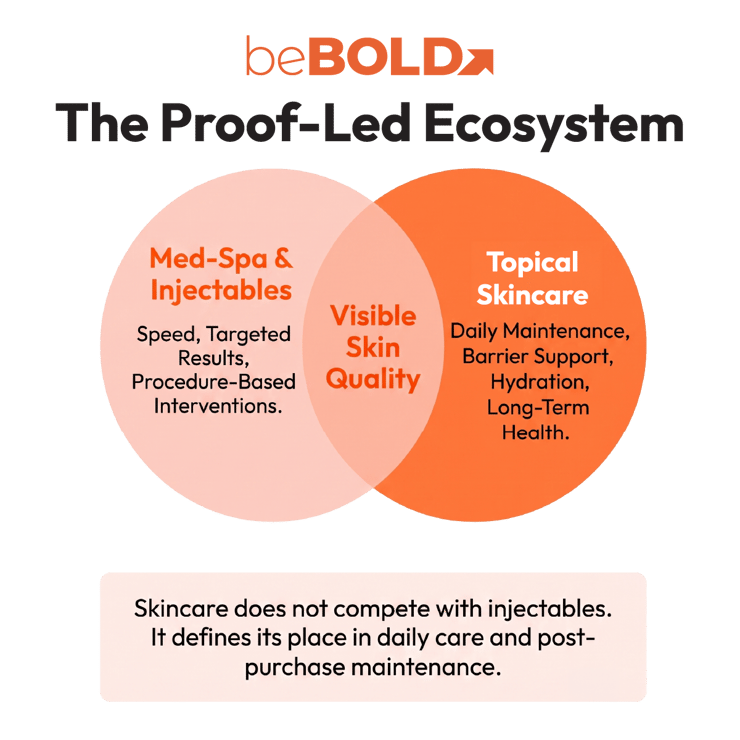
Gen Z’s interest in injectables, IV drip skincare, peptides, and med-spa treatments signals a shift toward a more proof-led beauty funnel. Rather than trying to imitate these treatments, skincare brands should focus on clearly communicating what topical products do best, including daily maintenance, barrier support, hydration, texture improvement, and long-term skin quality.
On Amazon, that clarity needs to be consistent across every touchpoint, from titles and bullets to images, A+ Content, pricing, reviews, ads, and the Brand Store. The brands that succeed with Gen Z will not be the loudest, but the ones that make their value easy to understand, trust, and act on. If your brand needs help translating this shift into stronger Amazon performance, contact beBOLD Digital, and we can help support your strategy, content, and execution to drive measurable growth.
FAQ
Is Gen Z really skipping skincare for injectables?
Not entirely. Gen Z is not abandoning skincare, but some consumers are entering the beauty category through injectables and med-spa treatments earlier than previous generations. Skincare still plays a role, but it is being evaluated alongside faster, more visible treatment options.
Why are injectables and IV drip skincare trending with Gen Z?
Social media, creator content, and increased access to aesthetic clinics have made treatments more visible and normalized. Gen Z is also highly focused on results, which makes treatments that promise faster outcomes more appealing.
Does this mean skincare brands are becoming less relevant?
No. Skincare remains essential, but brands need to reposition their products as part of a broader beauty routine that includes maintenance, barrier support, and long-term skin health rather than instant transformation.
How should beauty brands respond to this shift?
Brands should focus on clear, realistic claims, strong ingredient education, visual proof, and optimized Amazon listings. Building trust through transparency and consistency is more effective than trying to mimic injectable results.
What role does Amazon play in this trend?
Amazon is a key decision-making platform where Gen Z shoppers compare products, read reviews, and validate claims. Listings need to function as both educational resources and conversion tools.
Are IV drip skincare treatments scientifically proven?
Some IV therapies have medical uses, but many wellness-focused IV drip treatments lack strong evidence for broad beauty or health claims. Consumers should approach these treatments with caution and consult qualified professionals.
Can topical skincare replace injectables?
No. Topical skincare and injectables serve different purposes. Skincare supports daily maintenance and skin health, while injectables provide targeted, procedure-based results. Brands should avoid positioning products as direct replacements.
What should Gen Z look for when buying skincare on Amazon?
Gen Z shoppers should look for clear ingredient explanations, realistic claims, strong reviews, visible proof, and products that align with their specific skin goals rather than trend-driven promises.





Comments